

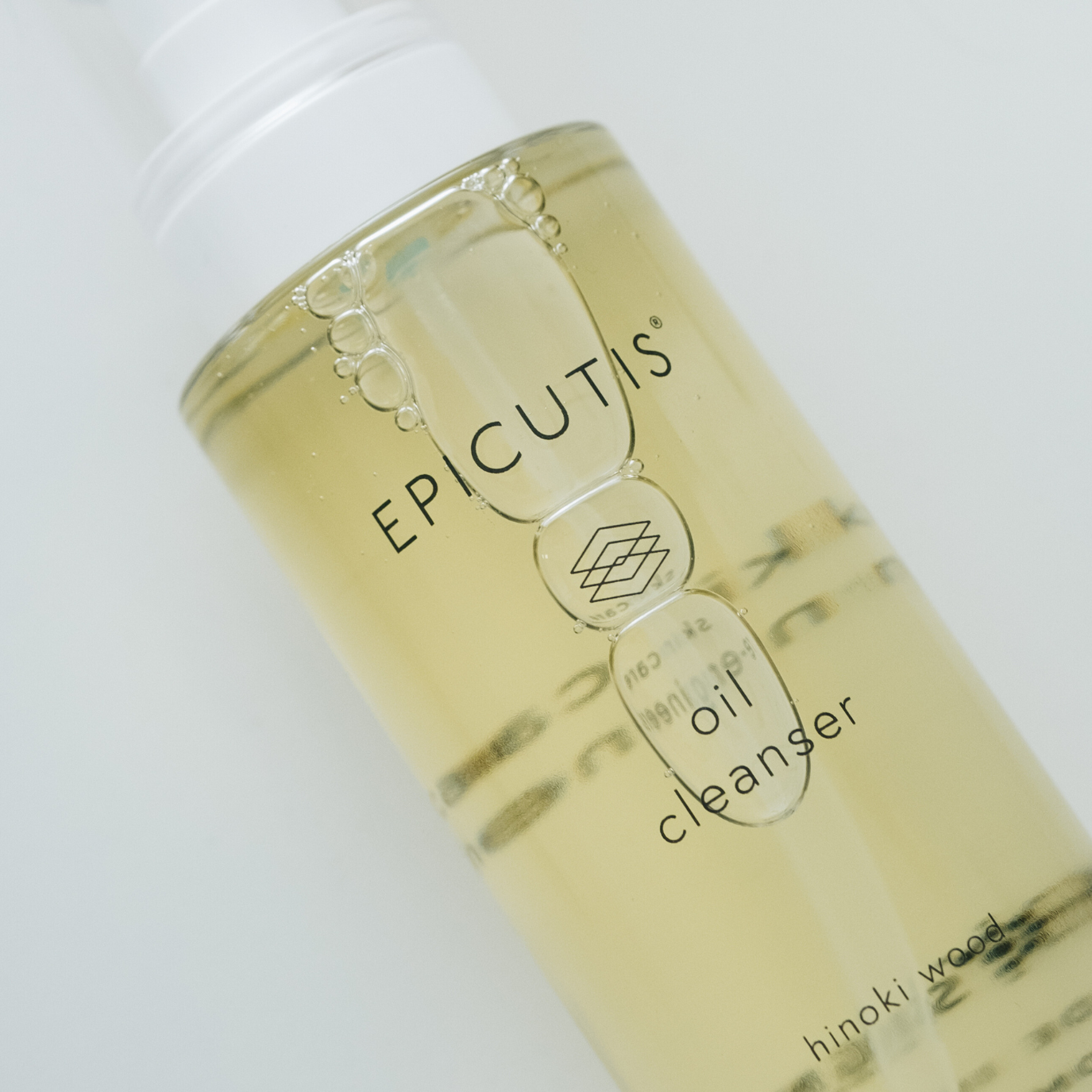
Inside the Science of Minimalist Skincare
A Conversation with Maxwell Stock of Epicutis
Some conversations entertain, while others change the way we think. Our Skin Talks episode with Maxwell Stock, founder of Epicutis, falls into the second type. Maxwell was raised in a research lab, surrounded by biochemistry, physics, and medicinal chemistry. He has written patents, developed ingredients for major skincare brands, and worked on topical drugs well before “science-backed” became a marketing term. This episode wasn’t about trends or product hype. It focused on the biological reality of skin health and why the future lies in minimal, intentional, non-inflammatory skincare.
Here are the key lessons from our conversation:
Maxwell started with a critical point that many in the beauty industry tend to avoid: that inflammation is the leading cause of skin disease, aging, and chronic dysfunction. Not dryness. Not oiliness. Not “skin type.” Inflammation. And he was blunt about it. According to Maxwell, inflammation causes cancer, disease, and most long-term skin issues. When your skin is red, irritated, reactive, constantly breaking out, or suddenly sensitive to products you've used for years, you aren't dealing with a “type.” You're dealing with an inflammatory state, and the goal is not to push through it with harsher formulas. The goal is to reduce the inflammatory load so the skin can regain homeostasis.
Maxwell spent years licensing ingredients to major beauty brands. What he observed behind the scenes explains why many consumers switch from one routine to another, from one brand to another, and from one trend to another. Most brands are not science-driven; they are marketing-driven. They select ingredients based on trend cycles, packaging appeal, or raw material costs, not on toxicology, absorption, or biochemical relevance. This is why the industry often offers 10-step routines, hundreds of SKUs, and formulas heavy with unnecessary ingredients. He described it as a sea of sameness: all the same ingredients, repackaged with different angles, but not designed with the skin’s actual biology in mind. Epicutis was created as the opposite of that.
Minimalism, through Maxwell’s perspective, isn’t about using nothing or living on water and moisturizer. It’s about intentional formulation and respecting the skin's chemistry. The Japanese influence on Epicutis is central here. He became passionate about the cultural values of precision, restraint, and depth. In Japan, a dish perfected over 60 years is valued more than a menu of 20 options. The same principle applies in skincare. You don’t need fifty formulas; you need a small number of clinically relevant, stable, high-purity ingredients at effective concentrations.
Epicutis formulations are deliberately sparse because their actives are potent and stable and do not require a mix of supporting chemicals. Maxwell’s formulator, Masanori Tamura, pioneered hyaluronic acid emulsification decades ago and now creates formulas that let the science speak for itself (not the marketing). Minimalism here isn’t about aesthetics; it’s about respecting biochemistry.
We also asked Maxwell about the word "clean," because it is one of the most misused and overused terms in the industry. His definition has nothing to do with fragrance-free labels or earthy packaging. For Epicutis, clean means:
- No ingredients with any evidence of toxicity.
- No ingredients that increase inflammation.
- No endocrine disruptors.
- No microplastics.
- Only high-purity ingredients sourced from Japan, the United States, or Europe, with full traceability.
He pointed out that a low-cost ingredient and a high-purity pharmaceutical-grade version can have the same INCI name but behave very differently on the skin. Consumers never see this difference on the label. This definition of clean is rooted in toxicology, not trend.
One of the strongest parts of the conversation was his explanation of how the microbiome influences the transition from stable, resilient skin to chronically irritated skin. Modern skincare habits disrupt this delicate ecosystem: over-exfoliation, harsh surfactants, frequent switching, and aggressive actives used without guidance. The rise in dermatitis, eczema, rosacea, and adult acne aligns with widespread disruption of the microbiome. The more you overload your routine, the more you destabilize the system. Minimalism restores order by removing variables and giving the microbiome a predictable environment. Consistency is the secret ingredient.
One of the most revealing moments in the episode was when Maxwell admitted he used to make his own serums in the lab. Brands would buy his patented actives, then dilute them into formulas filled with fillers, irritants, and fragrance. He wanted to use the pure active. Nothing else. Epicutis was born from that frustration. Fewer ingredients, higher purity, real science, and a philosophy rooted in reducing inflammation and restoring homeostasis.
This conversation was not about “less is more” as a trend. It was about biology, chemistry, and respecting the skin instead of overwhelming it. Minimalist skincare is effective when it’s intentional, supported by scientific evidence, and free from the noise that dominates the beauty industry.
If you want to understand this philosophy directly from the source, we invite you to listen to the full episode on Skin Talks. It’s a conversation that will reveal how to think about products, routines, and the role of inflammation in everything.
This is where skincare is going. And it’s not louder; it’s smarter.
Until next time,
Beate

Leave a comment
Ce site est protégé par hCaptcha, et la Politique de confidentialité et les Conditions de service de hCaptcha s’appliquent.