

The Hype on Collagen: Should You Supplement or Just Sip Bone Broth?
Collagen has been getting a lot of attention lately—and for good reason. This protein is a major building block in our bodies, supporting skin, hair, nails, joints, and even our gut lining. Everywhere you look, there are collagen powders, capsules, and drinks promising firmer skin or stronger joints. But do we really need to supplement, or can we get what we need from real food?
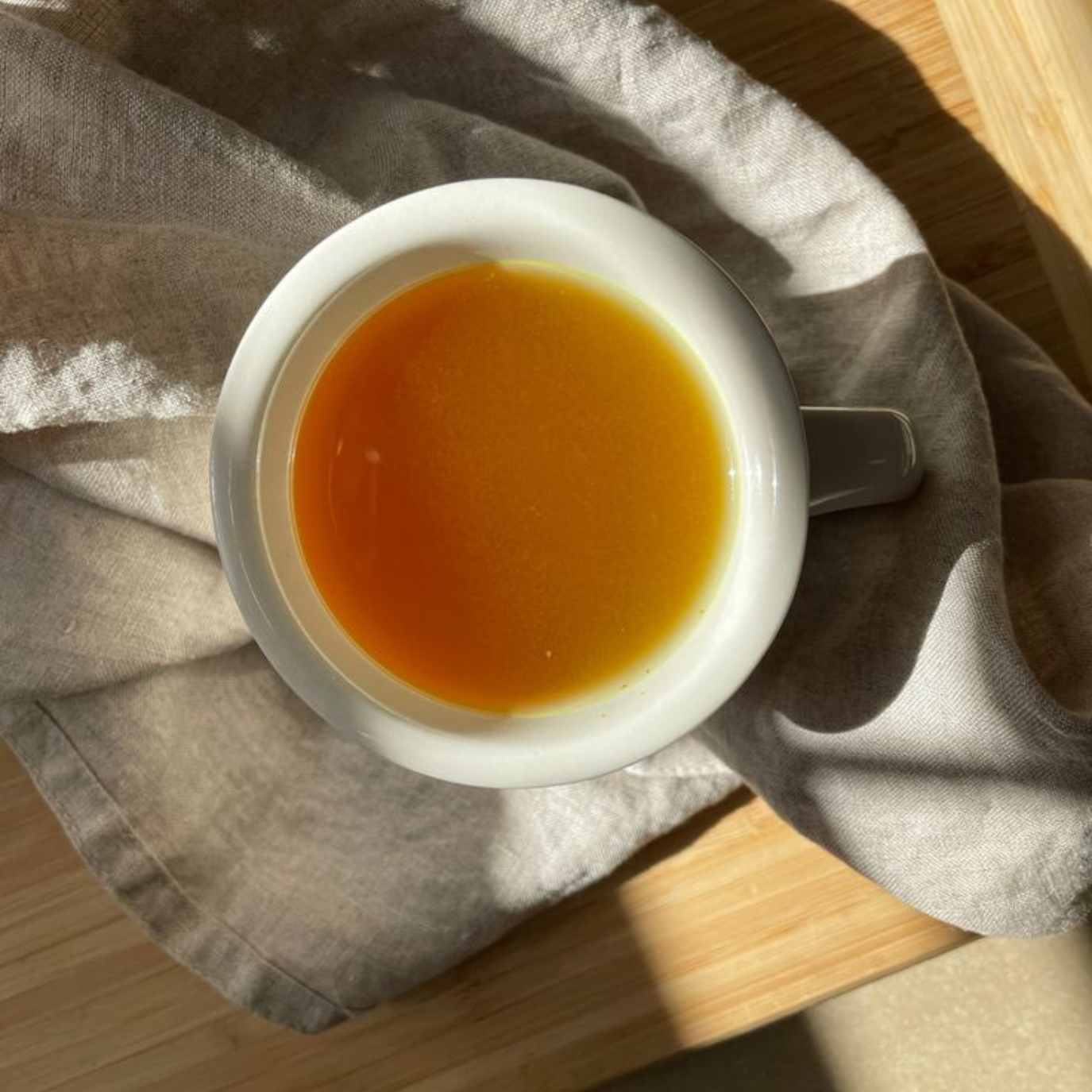
Collagen is naturally found in animal connective tissue—think bones, cartilage, and skin. That’s why bone broth has been cherished for centuries. It’s rich in the amino acids your body needs to make its own collagen. Drinking bone broth regularly can help support joint health, aid digestion, and nourish your skin from the inside out. The best part? It’s a whole food that your body recognizes and can actually use efficiently.
For those who prefer a plant-free supplement or want an alternative to traditional animal collagen, marine collagen is another option. Derived from fish skin or scales, marine collagen is highly bioavailable, meaning your body can absorb it more easily. Many people enjoy it for skin elasticity, nail strength, and joint support. Just like with bone broth or any collagen supplement, it provides the building blocks your body uses to produce its own collagen—it’s not a magic fix, but a supportive tool.
It’s important to remember that collagen, whether from food or supplements, is a protein. Our bodies break it down into amino acids first, and then decide how to use those building blocks. Simply sipping a collagen drink or taking a powder doesn’t automatically send it to your skin or joints—it’s about giving your body what it needs to do its work.
The takeaway? Whole food sources like bone broth are ideal, but supplements like collagen peptides or marine collagen can be helpful if your diet is limited. Supporting your overall protein intake, eating nutrient-dense foods, and staying hydrated will always give your body the best chance to create collagen naturally. Think of it as giving your body the tools to do its best work—rather than relying on a shortcut.
Stay well,
Frances Michaelson



Leave a comment
This site is protected by hCaptcha and the hCaptcha Privacy Policy and Terms of Service apply.