

A New Era Of Retinoids
We used to talk about “retinol” as if it were one universal ingredient. Now we're talking about retinol, retinal, tretinoin, encapsulated formulas, slow-release delivery systems, peptides and increasingly sophisticated formulations designed to make vitamin A more effective and more tolerable.
The future of retinoids isn't about finding the strongest formula possible. It's about finding the most effective formula your skin can actually tolerate consistently.
Disclaimer: I'm not a doctor or dermatologist. This is an educational deep dive based on the current scientific literature and my own research, not medical advice.
Retinoids Defined
Retinoids are a family of vitamin A derivatives that influence how skin cells behave. Different retinoids require different amounts of conversion before becoming retinoic acid, the biologically active form. Very simplified: Retinyl esters → Retinol → Retinal → Retinoic acid
Tretinoin is already retinoic acid, which is one reason prescription retinoids can be significantly more potent. When it comes to retinoids, stability, concentration, delivery system, formulation and tolerability all matter.
Why are retinoids still the gold standard?
Science doesn’t lie. Retinoids have been shown to support collagen production, normalize cellular turnover, improve texture and pigmentation, and reduce visible signs of photoaging.
Tretinoin in particular has decades of clinical research behind it and remains one of the best-studied topical ingredients for photoaging. Recent systematic reviews continue to support its efficacy for fine lines, pigmentation and other signs of photodamage.
They're also staples in acne treatment because of their ability to normalize abnormal follicular keratinization and support cell turnover. The verdict is indisputable: Retinoids actually change skin biology.
Retinol vs. retinal vs. tretinoin
Retinol requires two conversion steps before becoming retinoic acid, which generally makes it more gradual than prescription tretinoin. But don't assume every 1% retinol is created equal. Stability, packaging and delivery technology can dramatically influence how a formula performs.
Retinal (retinaldehyde) sits one step closer to retinoic acid than retinol and has become increasingly popular in modern skincare. The evidence is promising for photoaging and skin texture, although the research base is still much smaller than the extensive literature behind tretinoin. Think of retinal as an interesting middle ground — not necessarily a “tretinoin replacement.”
Tretinoin is already active retinoic acid and remains the benchmark when we're talking about topical retinoids with the strongest clinical evidence. The downside? Potential irritation and tolerability.
The new era of retinoids: delivery matters
We're increasingly realizing that it's not just about what retinoid is in the bottle, but how it's delivered to the skin.
Microsphere, encapsulated and slow-release technologies are designed to control how an active is released, potentially improving stability and tolerability.
The question is no longer: “How strong can we make it?” But instead: “How can we deliver an effective active without unnecessarily irritating the skin?”
The SkinBetter example
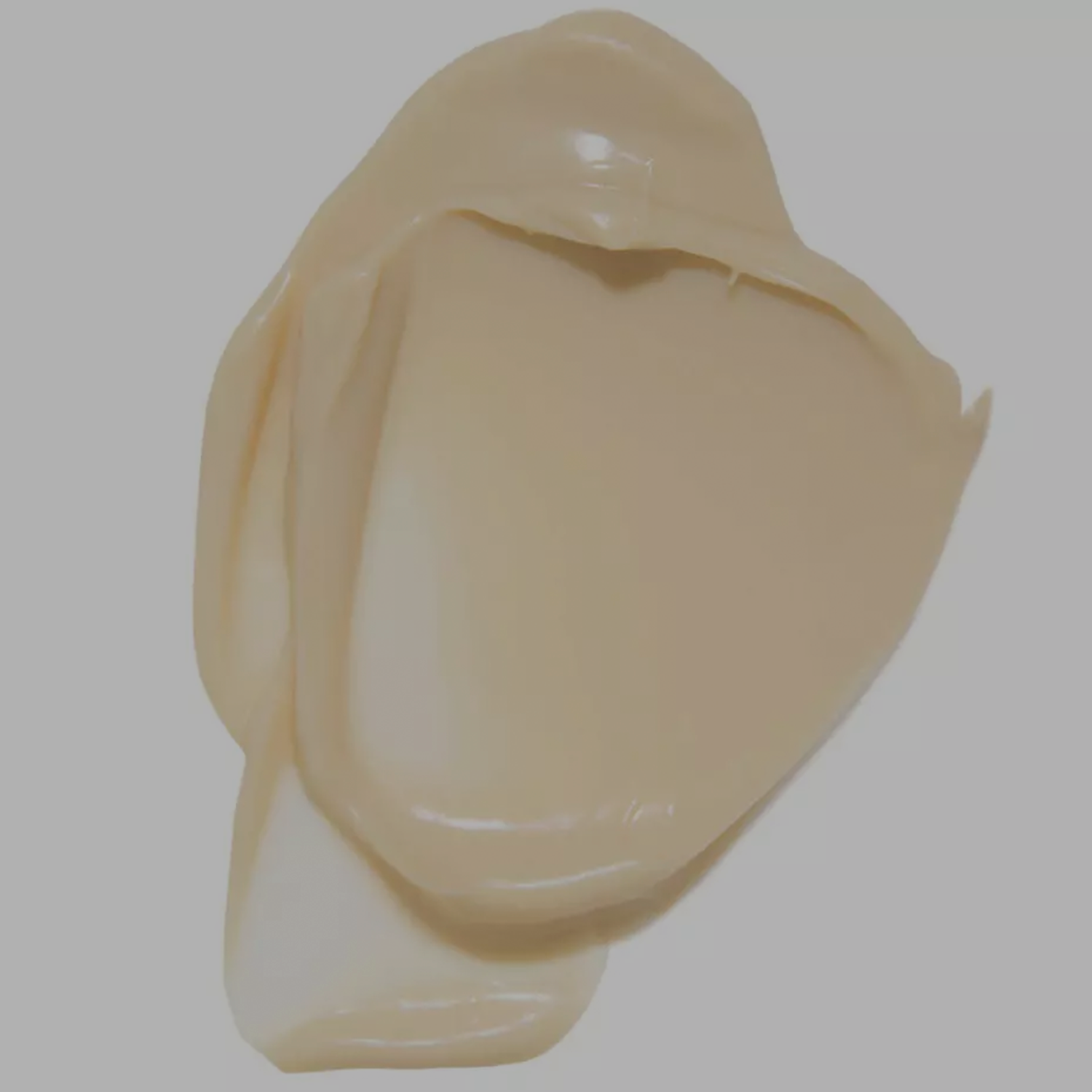
If we're talking about sophisticated retinoid formulations, SkinBetter Science's AlphaRet Overnight Cream deserves a mention.
AlphaRet combines a retinoid technology with an AHA and barrier-supportive ingredients including peptides, ceramides, squalane, niacinamide and hyaluronic acid. What's particularly interesting is that there is clinical research on the finished formulation, not simply on one isolated ingredient.
A randomized split-face study comparing AlphaRet with 0.025% tretinoin and 1% retinol found significant improvements in multiple measures of photoaging, with AlphaRet demonstrating less irritation than the comparison treatments.
What makes AlphaRet interesting is the formulation philosophy: effective retinoid technology + controlled delivery + ingredients designed around tolerability.
I think this is where premium skincare is getting smarter.
Till next time,
Gabriella

Leave a comment
This site is protected by hCaptcha and the hCaptcha Privacy Policy and Terms of Service apply.