


Coffee Talk: Coffee vs. Matcha — A Conscious Look at Caffeine
I’ll start by saying this honestly — I love coffee. It is by far the most popular natural stimulant on planet Earth. I don’t drink it to wake myself up or push through exhaustion. I drink it because I truly enjoy the taste of a good cup of coffee made from a high-quality bean.
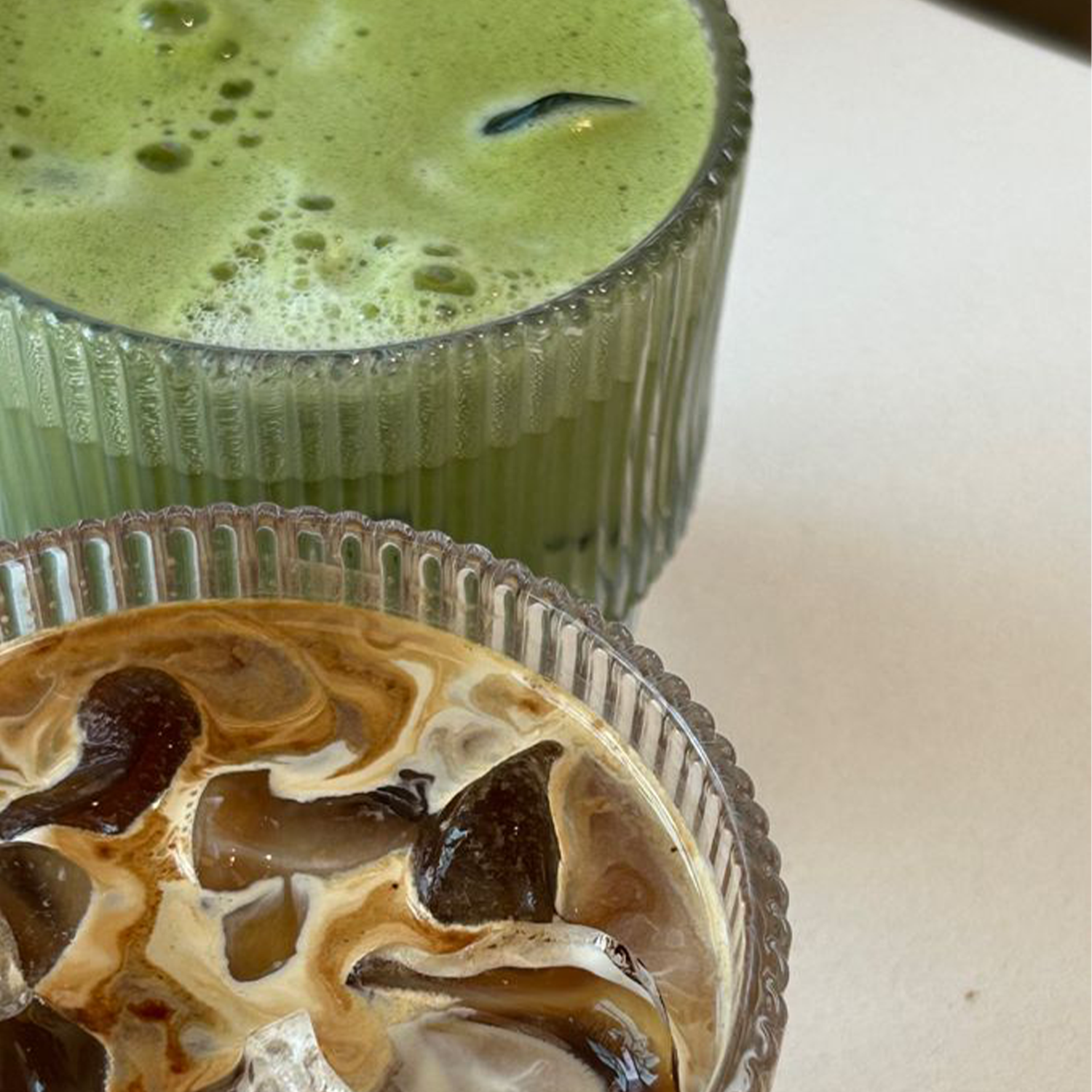
But before we talk about coffee, we need to talk about matcha, because it offers an interesting contrast — and for many people, a gentler alternative.
What Is Matcha?
Matcha is a finely ground powder made from specially grown green tea leaves. Unlike regular green tea, where the leaves are steeped and discarded, matcha is consumed whole, meaning you receive the full spectrum of its nutrients.
Traditionally used in Japanese tea ceremonies, matcha was never meant to be rushed. It was consumed slowly, mindfully, and often in a calm, meditative setting — which says a lot about how it affects the body.
Why Matcha Feels Different Than Coffee
Matcha contains caffeine, but it behaves very differently in the body.
The caffeine in matcha is paired with L-theanine, an amino acid that promotes calm focus and mental clarity. This creates a state of alert relaxation rather than a spike-and-crash effect.
Many people who feel:
- Anxious or jittery with coffee
- Overstimulated
- Wired but tired
- Sensitive to caffeine
often tolerate matcha much better.
Health Benefits of Matcha
Because matcha is consumed whole, it is rich in:
- Antioxidants (especially EGCG)
- Chlorophyll (supports gentle detoxification)
- Amino acids that support mood and focus
- Trace minerals
Matcha is generally less acidic than coffee, gentler on the gut, and less stressful on the adrenal glands. For some clients, it can be a supportive option during periods of hormone imbalance, adrenal fatigue, or digestive sensitivity.
That said, matcha is still a stimulant and should be respected — quality and timing matter just as much as with coffee.
A Brief History of Coffee
Coffee has been consumed for centuries, originating in Ethiopia and spreading through the Middle East and Europe. Historically, coffee was prepared carefully and consumed in moderation — often as part of social or spiritual rituals.
Fast forward to today, and coffee has become a highly commercialized product, consumed for stimulation rather than enjoyment. Speed and convenience have replaced quality and intention.
The Modern Coffee Problem
Most commercial coffee today is:
- Poor quality
- Highly acidic
- Often contaminated with mold
- Sprayed with pesticides
Add to that the rise of plastic and aluminum pods, which may leach chemicals into your coffee, and we’ve completely lost the original purpose of this plant.
Coffee was never meant to be fast food.
Coffee, Acidity, and the Morning Body
Here’s a very important point: coffee is acidic.
When we wake up in the morning, our bodies are already in an acidic state. We’ve been lying still all night, not moving, not eliminating, not hydrating. Pouring coffee into the body first thing only adds to this acidity and can irritate digestion, stress hormones, and the nervous system.
This is why I always recommend cleansing and alkalizing first.
Before coffee or matcha:
- Hydrate
- Cleanse with herbs
- Drink warm lemon or ginger water
Once the body is supported, stimulants are far better tolerated.
Potential Effects of Coffee on Health
When overused or consumed improperly, coffee can:
- Stress the adrenal glands
- Spike cortisol
- Disrupt blood sugar
- Irritate the gut lining
- Interfere with mineral absorption
- Increase inflammation
Again, the body always tells the truth.
My Philosophy on Caffeine
I don’t believe in extremes. I don’t believe coffee is bad — and I don’t believe it’s harmless either.
Whether you choose coffee or matcha:
- Quality matters
- Timing matters
- Your body’s response matters
Choose organic, shade-grown coffee or high-quality ceremonial matcha. Avoid commercial brands, plastic pods, and anything that prioritizes convenience over health.
Coffee or matcha should be a conscious choice, not a survival tool.
When you work with your body instead of against it, even stimulants can have a place in a balanced, healthy lifestyle.
Frances Michaelson





Leave a comment
This site is protected by hCaptcha and the hCaptcha Privacy Policy and Terms of Service apply.