

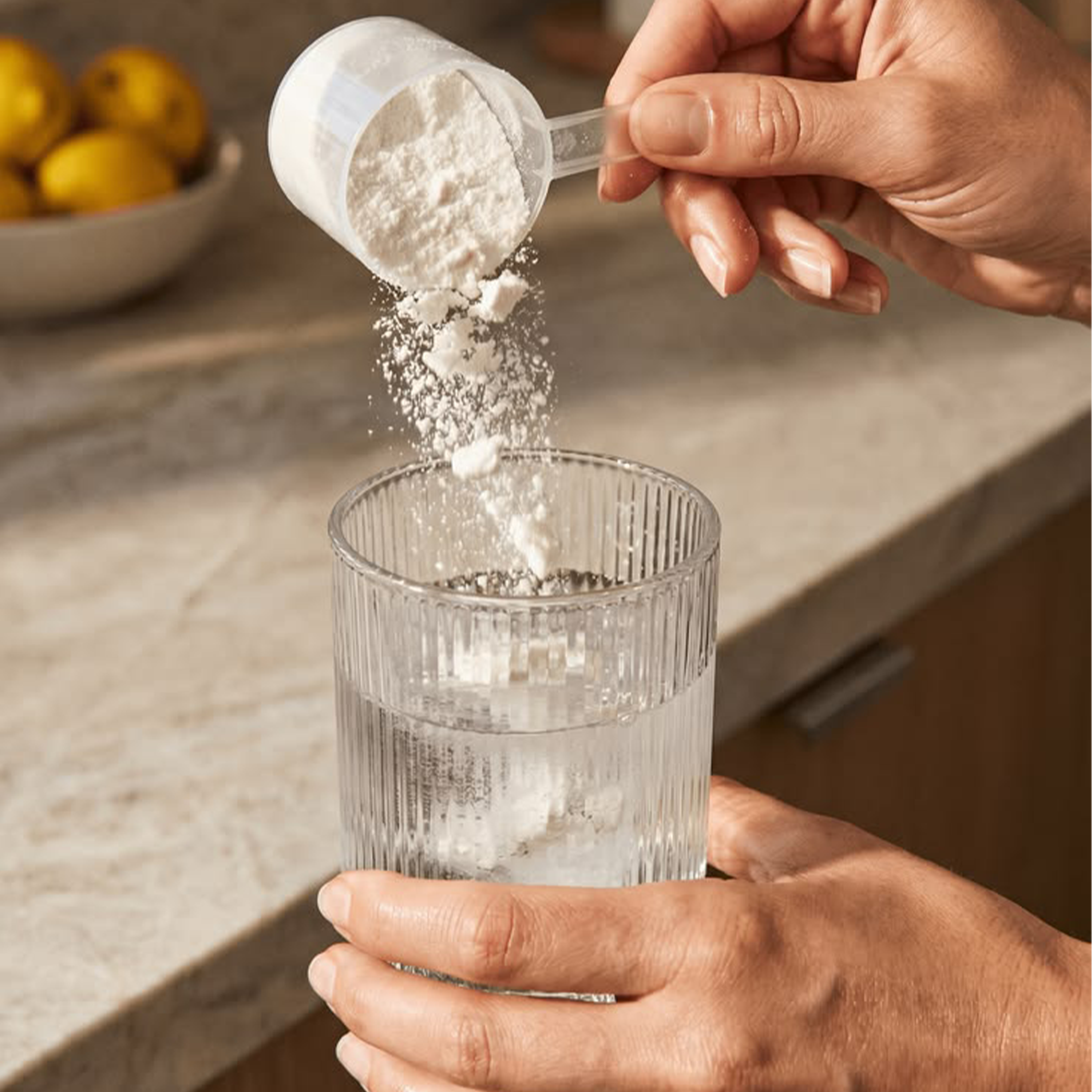
Creatine: Does Everyone Really Need It?
Every few years, a supplement comes along that seems to become the answer to everything. Right now, that supplement is creatine. Open social media, listen to a podcast, or walk into almost any supplement store and you'll hear that everyone should be taking it. It is promoted for building muscle, improving strength, enhancing athletic performance, supporting brain health, and even slowing the aging process. As a licensed naturopath and health and strength coach for over 30 years, I always ask one simple question before recommending any supplement: Do you actually need it? Just because something is popular doesn't mean it belongs in everyone's daily routine.
Let's begin by understanding what creatine actually is. Creatine is a naturally occurring compound made from three amino acids: glycine, arginine, and methionine. The remarkable thing is that our bodies are designed to manufacture it on their own. Most creatine is produced in the liver, kidneys, and pancreas before being transported to our muscles, where it acts as a rapid source of energy during short bursts of intense activity such as lifting weights, sprinting, or climbing stairs. In other words, the human body was never designed to depend on a supplement to produce creatine. It already has an incredible system in place.
On top of that, creatine is naturally present in many of the foods we eat. Beef, lamb, venison, poultry, and fish all contain creatine. Someone who regularly eats well-sourced animal protein is not only producing creatine naturally but is also obtaining additional amounts through their diet. This is why I question the growing belief that every single person should automatically supplement with it. If your body is making creatine and your diet is supplying more, it is reasonable to ask whether adding even more is truly necessary.
This is not to say that creatine doesn't have a place. In fact, the research supporting creatine is impressive in certain situations. Vegetarians and vegans, for example, consume virtually no dietary creatine because plants do not contain meaningful amounts. These individuals often have lower muscle creatine stores and may benefit from supplementation, particularly if they are involved in strength training. Older adults who are actively trying to preserve muscle mass may also benefit, as research suggests creatine, when combined with resistance exercise, can improve strength and help maintain lean muscle. Athletes involved in repeated high-intensity exercise may also notice improvements in performance and recovery.
What concerns me is that creatine is now being promoted as though everyone should take it regardless of their lifestyle, diet, or health status. This is where I believe we need to step back and ask better questions. One of the most common things I see in practice is people taking supplements because someone on social media told them they should, not because they actually have a deficiency or a need. I have always believed that supplements should fill a gap, not become the foundation of our health.
One reason I pay close attention to this topic is because I frequently review blood work with clients. I often see elevated creatinine levels, and while creatinine is not the same as creatine, the two are closely related. Creatinine is the natural waste product formed when creatine is broken down and used by the muscles. Blood creatinine levels can increase for many reasons, including dehydration, greater muscle mass, intense exercise, reduced kidney function, and in some cases creatine supplementation. An elevated creatinine level does not automatically mean someone has kidney disease or that creatine is harmful, but it should never be ignored or interpreted without looking at the whole clinical picture. If someone already has impaired kidney function or persistently elevated creatinine levels, I believe it is wise to have a conversation with their healthcare practitioner before deciding to supplement with creatine.
Another misconception is that creatine builds muscle. It doesn't. Strength training builds muscle. Creatine may help certain individuals perform a few more repetitions or recover slightly better from high-intensity exercise, but if you are not challenging your muscles through resistance training, creatine alone will not transform your body. There is no powder or capsule that can replace consistency, progressive overload, adequate protein, restorative sleep, and proper recovery. Muscle is built through work, not wishful thinking.
My philosophy has always been food first. Before reaching for another supplement, I would much rather see someone improve their digestion, eat more real food, increase their vegetable intake, build healthy muscle through strength training, sleep better, reduce stress, and allow their body to do what it was designed to do. Our bodies are incredibly intelligent. They know how to manufacture many of the compounds we need, provided we supply the raw materials through a healthy diet and absorb them properly. As I often remind my clients, we are not what we eat—we are what we digest.
So, do I think creatine is a good supplement? Yes, for the right person. Do I think everyone should take it simply because it is trending? Absolutely not. If you are a vegetarian, vegan, an older adult committed to strength training, or an athlete participating in high-intensity exercise, creatine may offer real benefits. But if you are already eating plenty of well-sourced animal protein, your body is naturally producing creatine, and your goal is simply to become healthier, then I believe your focus should first be on the fundamentals. Build your health from the inside out. Nourish your cells with real food, move your body every day, challenge your muscles, support your digestion, and remember that health is never created by one supplement. It is created by thousands of small decisions that we make every single day.
Frances Michaelson





Leave a comment
This site is protected by hCaptcha and the hCaptcha Privacy Policy and Terms of Service apply.