

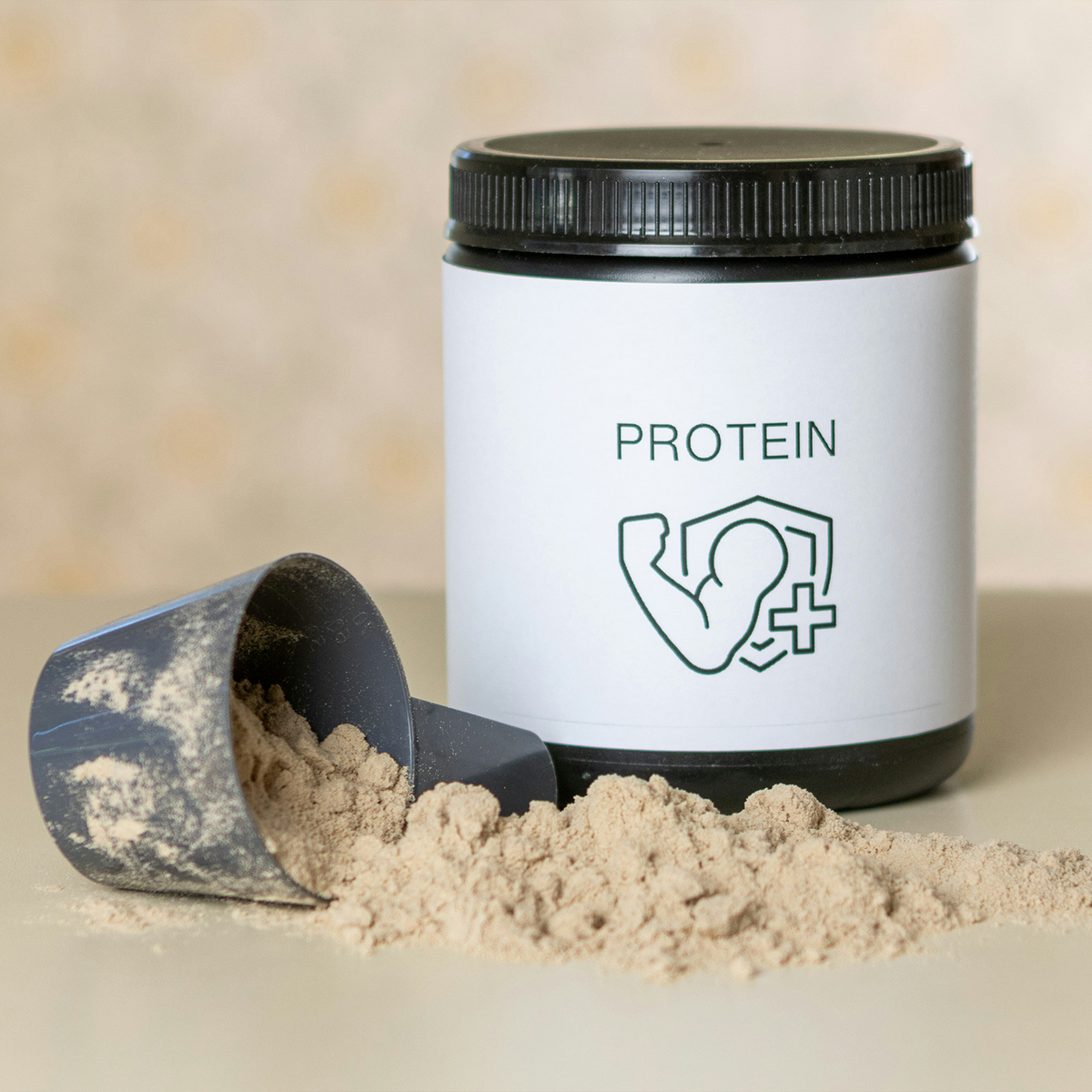
Does Whey Protein Cause Acne?
This is a question I hear quite often, especially from people who are exercising, trying to build muscle, and suddenly noticing that their skin is breaking out. They start looking at everything they are eating and drinking and often wonder, could my protein powder be causing this?
The answer is: possibly.
Whey protein is made from milk. It is the liquid portion of milk ( usually coming from casein A1) that remains during cheese production and is concentrated into a protein powder. Whey is rich in essential amino acids and is very popular because it is convenient, relatively inexpensive, and can help people increase their protein intake. The problem is that this form of casein is very inflammatory to the gut microbiome which is why it can play havoc on the skin .
Is Whey Protein Bad for Your Skin?
There have been reports and studies linking whey protein supplementation with acne, particularly in young people and athletes. Some people notice breakouts shortly after introducing whey into their routine, while others can take it without any noticeable effect on their skin. So I certainly don't believe that whey causes acne in everyone. But if you are someone who is prone to breakouts, it is worth paying attention to the connection.
Some of the research suggests that the issue may have something to do with the way dairy and whey influence insulin and IGF-1 (insulin-like growth factor 1), hormones involved in growth and metabolism. These pathways can influence oil production, follicle activity, and inflammation, all of which are involved in acne.
There are also observational studies and case reports that have found an association between whey supplementation and acne, particularly among adolescent and young adult males who are using protein supplements for training. In one small group of teenage athletes, acne developed after starting whey and improved in most participants after stopping it. Another study found that young men with acne were more likely to report using whey protein than those without acne.
But I want to be very clear: this does not mean whey is proven to cause acne in everyone. In fact, a six-month randomized controlled trial in young men with mild to moderate acne found that 30 grams of whey per day did not significantly worsen acne compared with a non-whey protein supplement. This tells us that there is still a lot we don't know and that individual response matters.
In my experience, I would pay particular attention to someone who already has acne-prone skin, is going through hormonal changes, is consuming a lot of dairy or high-glycemic foods, or suddenly introduces a whey supplement while increasing their overall intake of processed foods and supplements. Acne is never just about one food. Hormones, genetics, stress, skin care, sleep, diet and inflammation can all play a role.
This is one of the reasons I personally prefer plant-based protein powders for many of my clients. Hemp protein is one of my favourites. Hemp provides protein and is also a source of essential fatty acids, including omega-3, which are important for overall health and skin function. I also find hemp to be a very gentle option for many people when compared with some of the heavier plant proteins. Pea and other legume-based proteins can be perfectly good choices too, but they are harder to digest .
And this brings me back to something I say all the time: we are not what we eat, we are what we digest. The best protein powder in the world isn't going to help you if your digestive system isn't handling it well.
If you absolutely love your whey and don't want to give it up, I would at least take a good look at the label. Choose a product with a short ingredient list and as few unnecessary additives, artificial flavours, sweeteners, and other extras as possible. Sometimes it isn't simply the protein itself that someone is reacting to; the entire formula deserves a look.
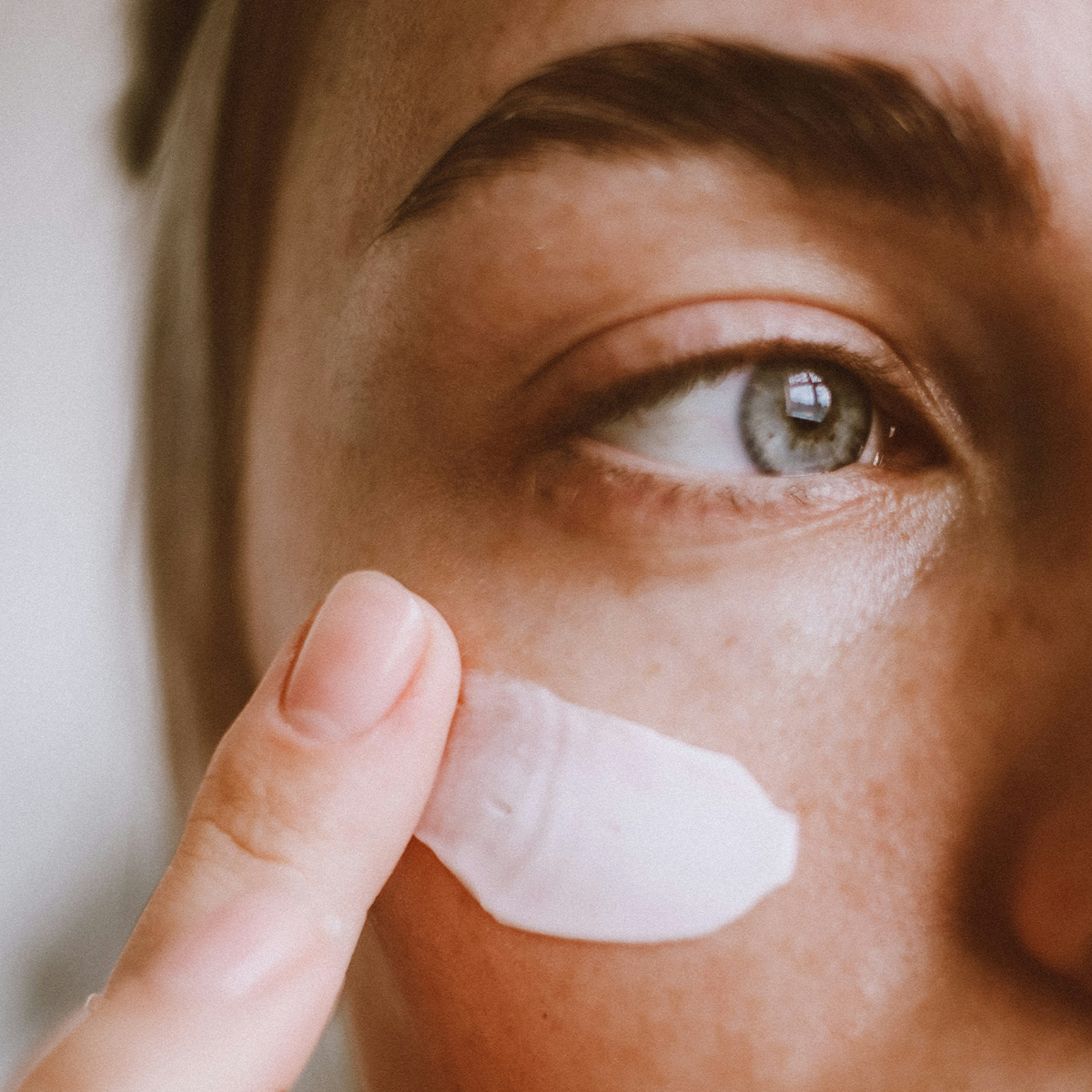
And don't forget the outside of the body while you're working on the inside. A simple skin routine with a gentle cleanser and appropriate moisturizer can help support the skin barrier while you figure out what may be contributing to your breakouts.
My advice is simple: listen to your skin. If your skin was clear and you suddenly began breaking out after introducing a new whey protein, don't automatically assume it's a coincidence. Look at the timing, look at the rest of your diet, and consider discussing the change with a healthcare professional or dermatologist.
Frances Michaelson
Skincare for Acne-Prone Skin
While you're exploring whether whey protein may be contributing to your breakouts, keeping your skincare routine simple can help support your skin barrier.
Start with a gentle cleanser suited to your skin type and follow with a lightweight moisturizer. Avoid introducing too many new products at once, as this can make it harder to understand what works for your skin.
Explore our Acne-Prone Skin collection for skincare suited to breakout-prone skin, or browse our Face Cleansers and Face Moisturizers collections to build a simple daily routine.
Sources

Leave a comment
This site is protected by hCaptcha and the hCaptcha Privacy Policy and Terms of Service apply.