


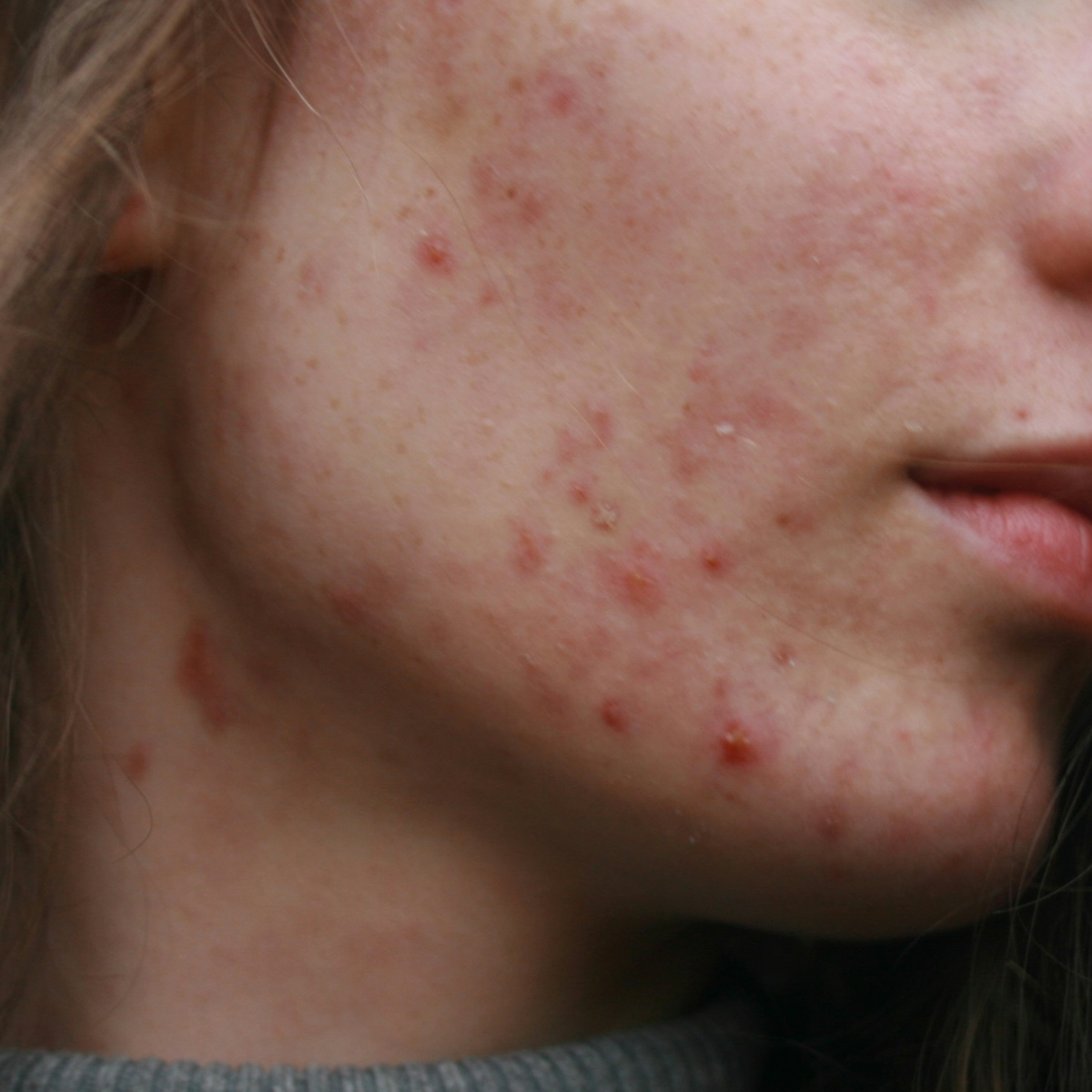
Fungal Acne... What to do?
When someone comes into my practice with breakouts, one of the first things I want to understand is what is actually causing them. Not every breakout is regular acne, and one condition that is often misunderstood is what people commonly call “fungal acne.”
Fungal acne is more accurately known as Malassezia folliculitis. Despite the name, it isn't actually traditional acne. It involves an overgrowth of a type of yeast called Malassezia, which normally lives on everyone's skin. Just like we have a microbiome in our gut, we also have microorganisms living on our skin. The goal isn't to eliminate everything. It is to keep the terrain balanced.
So what does fungal acne look like?
It often appears as many small, fairly uniform bumps, particularly on the forehead, hairline, chest, shoulders, or upper back. The bumps may be itchy, which is one clue that you may not be dealing with typical acne. Traditional acne tends to have a mixture of blackheads, whiteheads, pimples, and deeper lesions, whereas Malassezia folliculitis often produces bumps that look remarkably similar to one another. But this is where things get tricky: appearance alone isn't enough to make a diagnosis.
What causes this imbalance?
Malassezia feeds on certain fats and thrives in warm, humid environments. Excess sweating, occlusive skincare or hair products, tight clothing, prolonged heat and humidity, and changes in the skin's normal barrier can all contribute. Antibiotic use can also alter the balance of microorganisms on the skin, which is one reason I always want to look at the bigger picture rather than simply treating the spot we can see.
And this is where my naturopathic approach comes in.
I don't believe we should automatically attack every skin problem with a dozen different products. I want to know what has changed. What are you eating? How is your digestion? Have you recently taken antibiotics? Are you sweating frequently? What products are you putting on your face and hair? Are you constantly layering oils, heavy creams, or multiple active ingredients onto your skin?
Sometimes we become so focused on getting rid of the breakout that we actually make the skin more irritated.
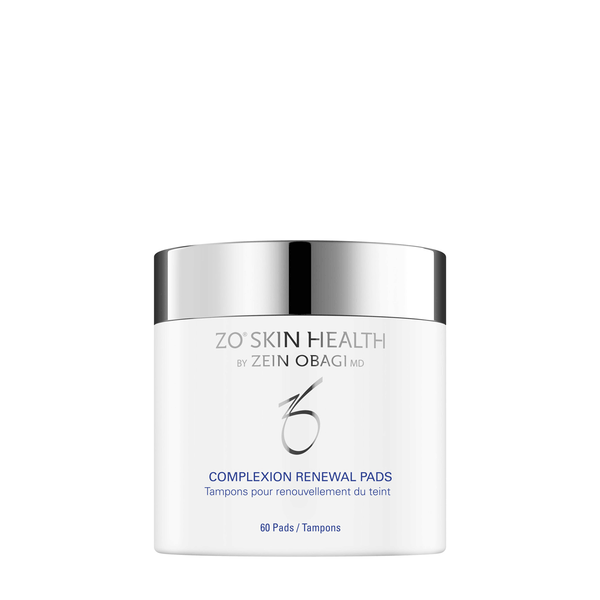
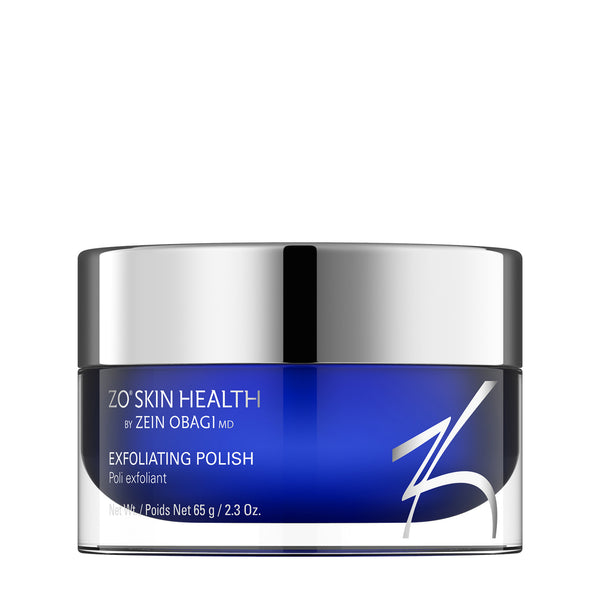
I also encourage clients to simplify their skincare routine while they are trying to understand what is happening. Avoiding very heavy or greasy products may be helpful when Malassezia folliculitis is suspected, particularly products that seem to make the bumps worse. I also don't recommend constantly scrubbing, picking, or exfoliating the skin. Your skin barrier needs support too.
From a naturopathic perspective, I also look at the internal terrain. Good nutrition, adequate hydration, healthy elimination, stress management, and a balanced gut microbiome are all important parts of overall skin health. But I want to be very clear about something: there is not enough evidence to say that diet alone can cure Malassezia folliculitis, and I would never want someone to go on an unnecessarily restrictive diet because they believe every skin problem is coming from their gut.
When it does come to food however ,the main culprit when it does come to skin issues is usually sugar. I always ask clients when there are persistent skin problems to try and avoid all forms of sugar . This is where it is important to read labels and understand that sugar has many different forms . Dairy ( especially casein A1coming from the cow ) can be very inflammtatory for many people so I always air on the side of caution when to comes to milk, cheese and yoghurt.
A dermatologist approaches the problem differently. If Malassezia folliculitis is suspected, a dermatologist can examine the skin and, when necessary, perform testing to help distinguish it from acne or other follicular conditions. Treatment may involve an appropriate antifungal medication. This is important because traditional acne treatments don't necessarily address Malassezia, and in some cases the wrong treatment can make the situation more frustrating.
How long does it take to clear?
There isn't one magic number. Some people improve relatively quickly once the correct cause is identified and treated, while others need more time. The important thing is not to keep changing products every few days because you aren't seeing an immediate result. Skin needs time to respond.
And this is where I want to remind you that more is not better.
If your skin is breaking out, don't immediately buy every acne product you see online. Don't pile on acids, scrubs, oils, essential oils, and multiple treatments all at once. You may end up irritating your skin and making it much harder to determine what is actually helping.
And please know when to bring in a dermatologist. If the bumps are painful, spreading, becoming severe, leaving scars, affecting your confidence, or simply aren't improving despite gentle skincare, it is time to get professional help. A dermatologist can determine whether you're dealing with Malassezia folliculitis, traditional acne, another skin condition, or a combination of problems.
My philosophy has always been to find the why before simply treating the what. Your skin is communicating with you, but we have to listen carefully. Sometimes the answer is as simple as changing what you're putting on your skin. Sometimes it requires medical treatment. And sometimes there are several factors involved.
The goal isn't to label every breakout as “fungal acne.” The goal is to understand your skin, respect its microbiome, avoid making it more irritated, and choose the right treatment for the right problem.
Frances Michaelson
Choosing Skincare for Fungal Acne-Prone Skin
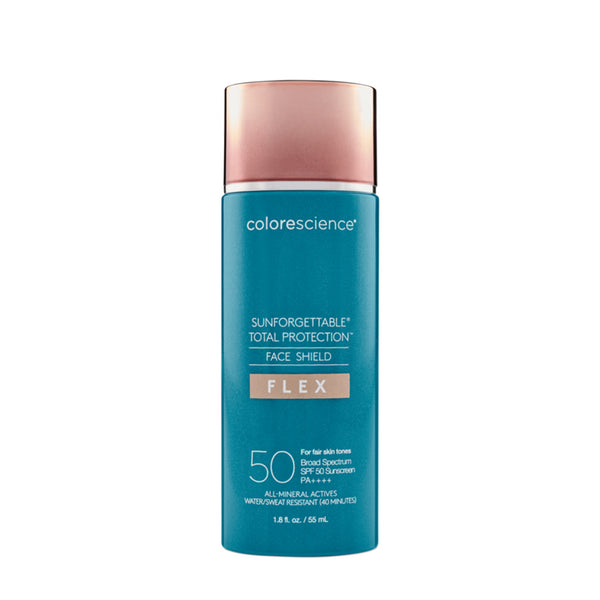
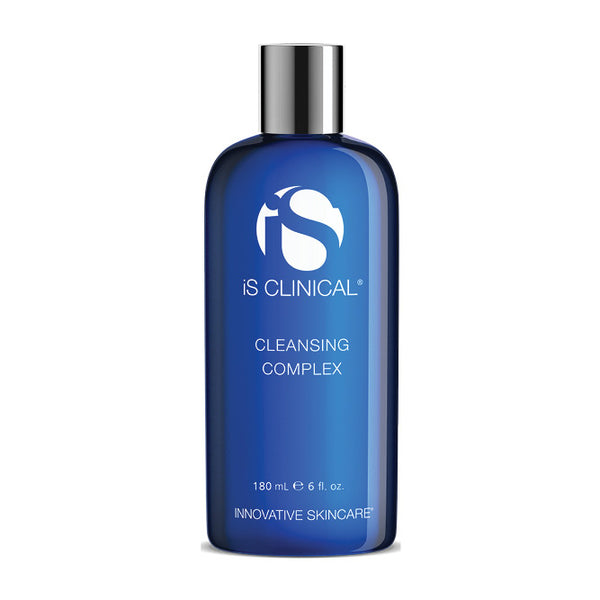
When dealing with suspected fungal acne, a simple skincare routine can help avoid unnecessary irritation. Gentle cleansing is a good starting point, along with avoiding products that seem to worsen your breakouts.
Explore our Face Cleansers collection to find cleansing options suited to your skin type.
Keep in mind that Malassezia folliculitis requires a different approach from traditional acne, so a dermatologist can help determine which treatment is appropriate.

Leave a comment
This site is protected by hCaptcha and the hCaptcha Privacy Policy and Terms of Service apply.