

Let’s Take a Look at Labels
One of the first things I teach my clients when we start cleaning up their diet is to read the label. We are surrounded by packaged foods, and many of us have become so accustomed to grabbing something from a box, bag, or container that we don't even stop to ask what is actually inside. If you are going to buy a food that comes with a long list of ingredients, it is important to understand what those ingredients are and, more importantly, why they are there.
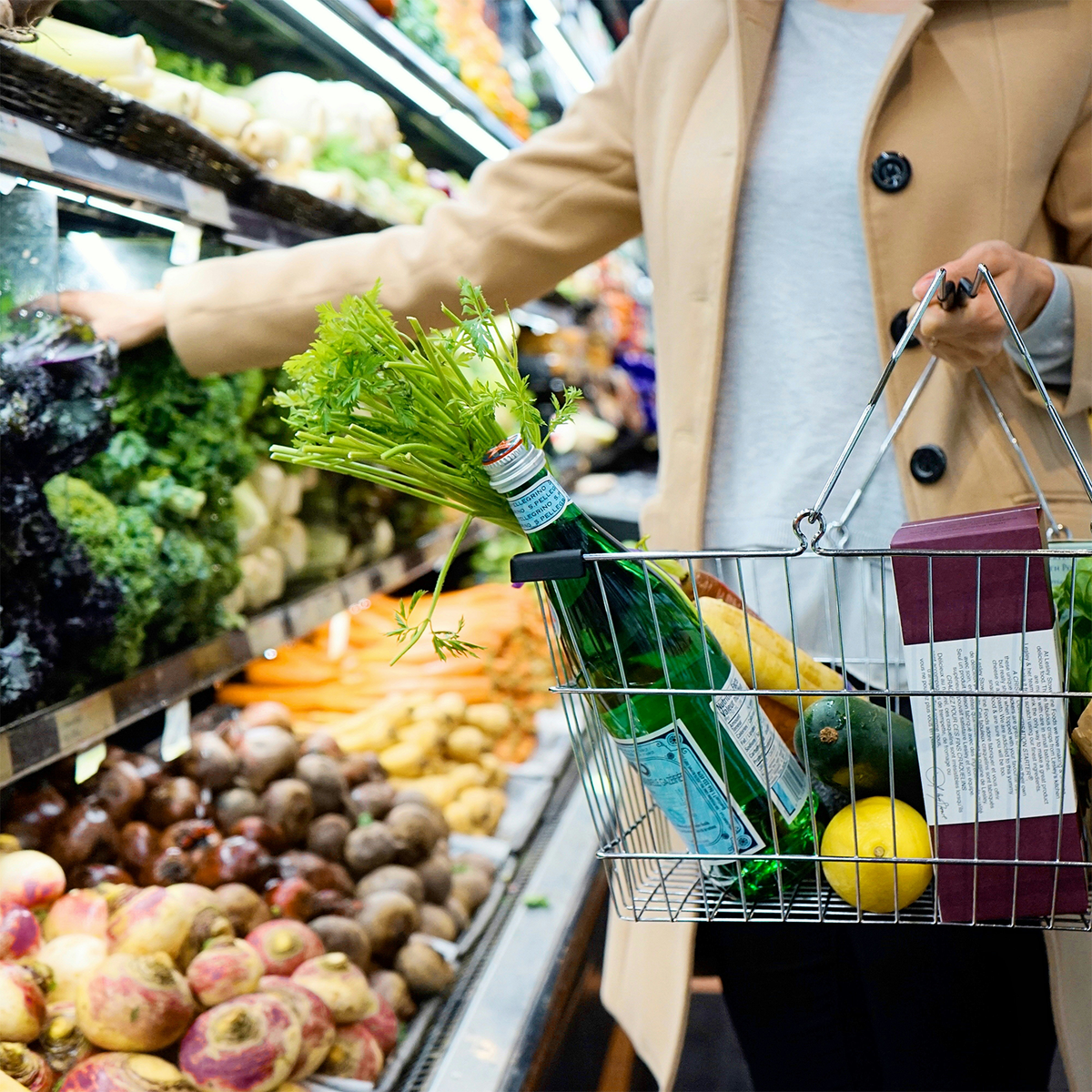
My philosophy is actually quite simple: the closer a food is to nature, the less of a label it needs. Think about an apple. It doesn't need an ingredient list. Neither does a cucumber, a bunch of spinach, a sweet potato, an avocado, an egg, or a piece of fresh fish. These are foods in their natural form. We know what they are because they haven't been taken apart, processed, and put back together with a long list of additives.
Once we start buying foods that come in packages, however, the story can become very different.
One of the first things I want you to understand when reading a label is that ingredients are listed in descending order by weight. This means the ingredient that weighs the most is generally listed first, followed by the next largest amount, and so on. This can be very revealing. If sugar appears near the beginning of the ingredient list, there is a good chance that the product contains a significant amount of added sugar.
And here is where it gets even more confusing. Sugar doesn't always appear on a label simply as "sugar." There are many different names used for added sugars, including glucose, fructose, sucrose, dextrose, maltose, corn syrup, high-fructose corn syrup, cane sugar, brown rice syrup, maple syrup, honey, molasses, and many others. While some of these ingredients may sound more natural than others, your body still recognizes many of them as sources of sugar.
This is one reason I encourage my clients not to be fooled by clever packaging. Words like "natural," "healthy," "multigrain," "organic," or "made with real ingredients" don't automatically make a product healthy. Turn the package around and read the ingredient list. That is where the real story is.
Another thing I look for is the length of the ingredient list. A product containing three or four recognizable ingredients is very different from one containing 25 ingredients, many of which you cannot pronounce or don't recognize. I'm not saying that every unfamiliar ingredient is automatically dangerous, but I do believe we should question why our food needs so many additions in the first place.
This is especially important when it comes to highly processed foods. Processing can change the original food dramatically, and manufacturers often add sugars, refined oils, flavourings, preservatives, colours, and other ingredients to improve taste, texture, shelf life, or appearance. The more processed a food becomes, the further it can move away from the food nature originally provided us.
I also want you to pay attention to the oils used in packaged foods. Many products contain refined seed oils, and they can be surprisingly easy to consume because they are found in everything from crackers and baked goods to sauces, dressings, chips, and snack foods. Again, don't assume something is healthy simply because the front of the package makes it look healthy. Turn it around and see what is actually inside.
And don't forget about portion sizes. Sometimes a package looks like one serving when it actually contains two, three, or even more. The numbers on the nutrition panel may look reasonable until you realize how much of the product you are actually eating.
The more you read labels, the easier it becomes. At first, it can feel overwhelming because there are so many ingredients and so many different names. But eventually, you start recognizing the ones you want to avoid and the ones you are comfortable including.
My biggest piece of advice is this: eat more foods that don't require a label at all.
Fill your kitchen with fresh vegetables, fruits, eggs, nuts, seeds, legumes, quality proteins, and other whole foods. Build your meals around foods that you can recognize rather than products that have been engineered to taste irresistible.
The less processed your food is, the less time you need to spend decoding a label. And perhaps that is one of the simplest ways to improve your diet: shop more from the perimeter of the grocery store, spend more time in the produce section, and start looking at food for what it really is rather than what the package promises it will be.
Remember, food is not just about calories or numbers on a nutrition panel. Food provides the raw materials your body needs to build cells, make hormones, produce energy, support your immune system, and keep your digestive system functioning properly.
So the next time you pick up a packaged food, turn it around.
Read the label.
If you recognize most of the ingredients, that's a good place to start. If you need a chemistry lesson, perhaps leave it on the shelf !
Frances Michaelson




Leave a comment
This site is protected by hCaptcha and the hCaptcha Privacy Policy and Terms of Service apply.