
Neurodivergence, Wellness & the Perinatal Nervous System
We talk about wellness like it’s a checklist.
-
Drink the water.
-
Do the routine.
-
Stay consistent.
- Get the glow.
But wellness isn’t a routine.
It’s a nervous system state.
And that matters a lot more during pregnancy and postpartum than most people realize.
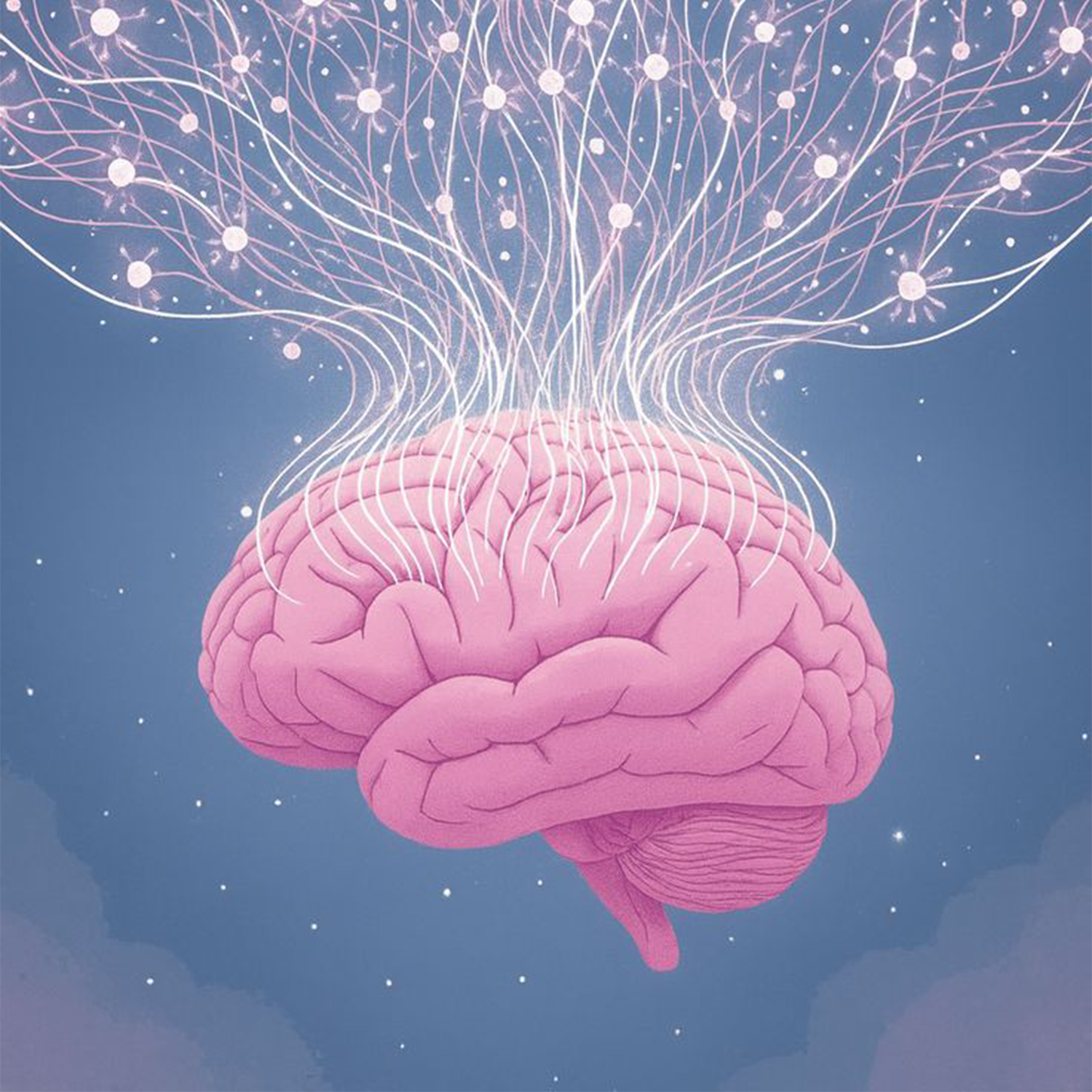
Because pregnancy isn’t just a body change. It’s a brain change. It’s a nervous system event. Hormones shift emotional processing. Sensory input often feels louder. Sleep changes. Tolerance for stress narrows.
Now layer that on top of a neurodivergent nervous system.
If you already process the world intensely — if sound lands sharp, if transitions take energy, if emotions move fast and deep — pregnancy can feel like someone turned up the volume without asking you first.
And yet the cultural expectation is… calm. Glowing. Productive. Nesting. Organized.
So when you’re overstimulated. Or irritated. Or exhausted in a bone-deep way. Or crying because the fridge hum suddenly feels aggressive.
You assume you’re doing it wrong.
You’re not.
Your nervous system is working overtime.
One thing we don’t talk about enough is masking. A lot of neurodivergent adults — especially women — have spent years being “high functioning.” Translating social cues. Pushing through sensory discomfort. Performing steadiness.
Pregnancy and postpartum tend to dismantle that system.
You’re more tired. More exposed. Less buffered. There’s less space to override yourself.
What used to be manageable suddenly isn’t.
That’s not regression. That’s capacity shifting.
And postpartum? That’s a full nervous system marathon.
Sleep fragmentation alone changes emotional regulation. Add constant touch, noise, unpredictability, feeding decisions, identity shifts — it’s a lot. Even when it’s wanted. Even when it’s beautiful.
For neurodivergent parents, that intensity can hit differently. Sensory overload escalates faster. Executive function feels thinner. Emotional waves feel bigger.
And then wellness culture says: add more structure. Add more habits. Add more discipline.
But when your system is already taxed, adding more can feel like pouring water into a glass that’s already full.
Real perinatal wellness often looks quieter than what we see online.
It looks like protecting your energy instead of proving your resilience.
It looks like softer lighting. Fewer visitors. Simpler meals. Saying “not today” without a speech attached. Wearing the same comfortable outfit because your nervous system likes it.
It looks like designing your environment around regulation instead of aesthetics.
And this isn’t just about mood.
Chronic nervous system stress impacts hormones, immune function, sleep, inflammation — and yes, skin. The body keeps score of overstimulation. It always does.
When we stop asking, “Why can’t I keep up?”
and start asking, “What would make my system feel safer?”
Things begin to shift.
Recovery steadies. Emotional waves soften at the edges. Skin calms. Capacity rebuilds in cycles instead of collapse.
Wellness during pregnancy and postpartum isn’t about becoming a calmer version of someone else.
It’s about building conditions where your nervous system doesn’t have to fight so hard.
For neurodivergent parents especially, that might mean redefining what “healthy” looks like in this season.
Less performance.
More protection.
Less optimization.
More exhale.
And honestly? That’s where sustainable wellness actually lives.
_____________________________________________________________________
HI! I’m Alix, the founder of TENDER.LY, where I provide compassionate, judgment-free support to growing families. With a background in fertility, postpartum care, infant feeding, and mental health first aid, I specialize in supporting neurodivergent parents as they navigate pregnancy, birth, and the early years of parenthood. My approach is all about meeting families where they are, offering ADHD-friendly strategies, and helping parents feel more confident and supported in their journey.
Looking for personalized support? Let’s connect! Follow me @lovetender.ly_doula



Leave a comment
This site is protected by hCaptcha and the hCaptcha Privacy Policy and Terms of Service apply.