





Probiotics… Take Them or Trash Them?
As a health care practitioner, I have to admit that I never really understood all the noise surrounding probiotics. Walk into any health food store and you will find shelves lined with capsules promising better digestion, stronger immunity, and improved gut health. But I have often asked myself: are we really helping the gut by adding strains of bacteria that we know very little about?
For me, the answer is not always straightforward.
The gut is home to trillions of bacteria, fungi, and other microorganisms collectively known as the microbiome. This internal ecosystem is as unique as a fingerprint. No two people have the same microbiome, which is why the same probiotic may help one person and do very little for another.
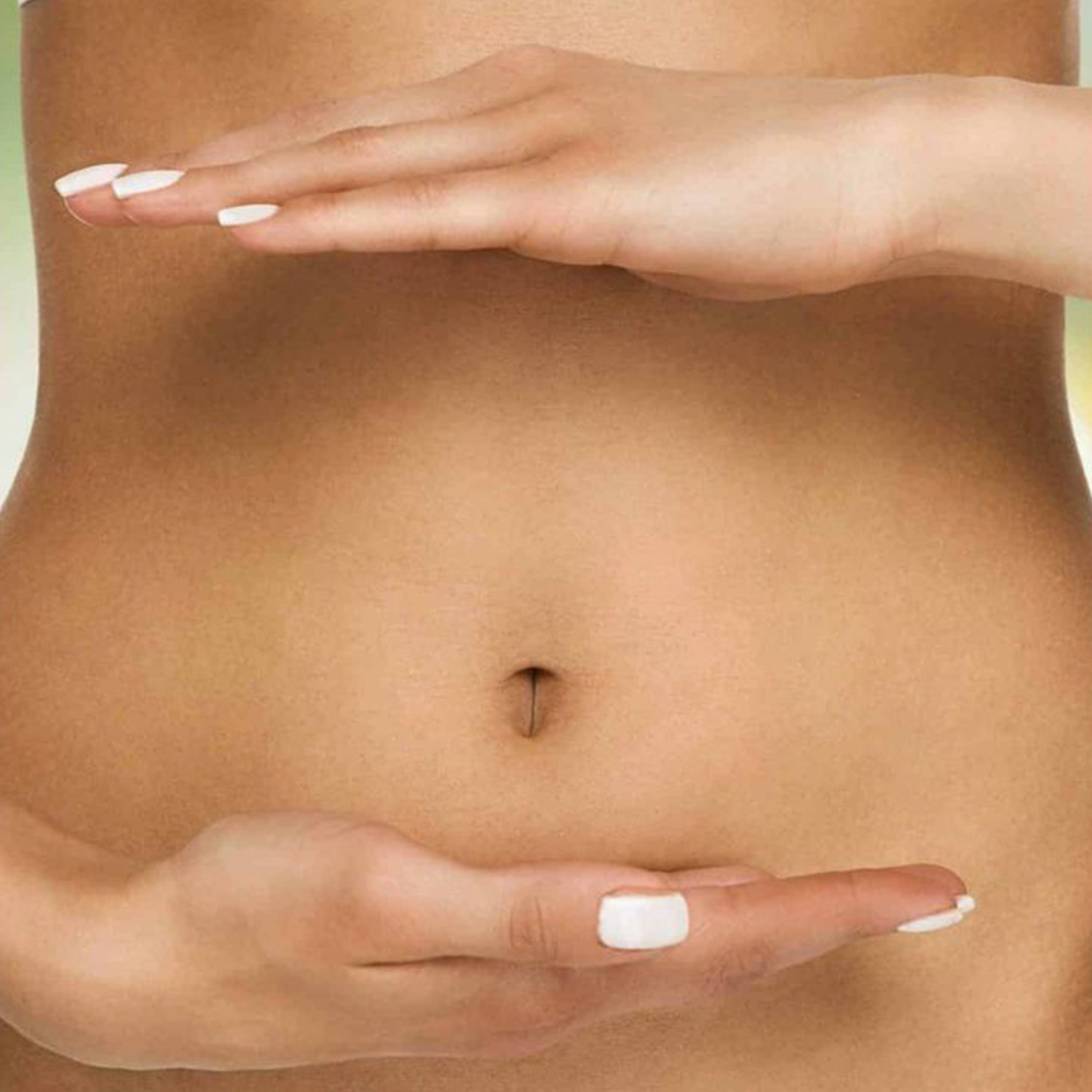
In my practice, I often see clients whose digestive systems are overwhelmed. They are bloated, constipated, inflamed, and burdened by years of processed foods, medications, stress, and poor elimination. In many of these cases, my first thought is not to add more, but rather to cleanse and restore balance.
After all, if the terrain is unhealthy, simply adding bacteria may not solve the problem.
So what exactly are probiotics?
Probiotics are live microorganisms, usually bacteria or beneficial yeasts, that when consumed in adequate amounts may provide health benefits. Some of the most common strains include Lactobacillus, Bifidobacterium, and the beneficial yeast Saccharomyces boulardii.
Research suggests that probiotics may be helpful in certain situations, particularly after antibiotic use. Antibiotics are designed to kill bacteria, but unfortunately they often destroy beneficial bacteria along with the harmful ones. This is one situation where I feel probiotics can play an important role in helping to restore balance.
Beyond that, however, I prefer to take a food-first approach whenever possible.
This brings us to prebiotics.
If probiotics are the seeds, prebiotics are the fertilizer.
Prebiotics are types of fiber that feed the beneficial bacteria already living in your gut. Rather than introducing new organisms, prebiotics nourish the ones you already have, helping them grow and thrive naturally.
Some of the best food sources of prebiotics include:
-
Garlic
-
Onions
-
Leeks
-
Asparagus
-
Artichokes
-
Apples
-
Bananas
-
Flaxseeds
-
Chia seeds
-
Dandelion greens
-
Jerusalem artichokes
These foods help support the growth of beneficial bacteria and encourage the production of compounds such as butyrate, a short-chain fatty acid that strengthens the gut lining and supports overall health.
What about probiotic foods?
Nature provides many of these as well:
-
Sauerkraut
-
Kimchi
-
Miso
-
Tempeh
-
Kefir
Fermented foods have been consumed for centuries and can provide naturally occurring beneficial microbes in a food matrix that the body often recognizes more easily.
The truth is that gut health is not about chasing the latest supplement trend. It is about creating the right terrain.
The strain of bacteria living in your gut dictates how you digest your food, absorb nutrients, regulate your immune system, and even influence your mood. But microbes thrive when the environment is right.
Feed them foods that suit our species: vegetables, fruits, sprouts, seeds, herbs, and other whole foods. Reduce processed foods and excess sugars that feed the wrong organisms. Improve digestion, elimination, and movement.
Remember, we do not just feed ourselves when we eat—we feed our microbes.
So, probiotics: take them or trash them?
My answer is this: use them strategically, especially after antibiotics or when clinically indicated. But for most people, start by nourishing the bacteria you already have through real food and a healthy terrain.
Because when the terrain changes, the microbes change. And when the microbes change, health follows.
Frances Michaelson




Leave a comment
This site is protected by hCaptcha and the hCaptcha Privacy Policy and Terms of Service apply.