

Skin Cycling vs. Medical-Grade Consistency: When to Rotate, When to Commit
A few months ago, we wrote about skin cycling, the four-night rotation that took TikTok by storm and, refreshingly, had real science behind it. The post was popular for good reason: skin cycling brought structure, simplicity, and a much-needed pause to the overactive, over-exfoliated era.
Over the past few months, something interesting has happened during our virtual consultations. Clients who’ve been cycling for a while are starting to ask a harder, more nuanced question:
Should I still be cycling, or is my skin ready for something more consistent?
It’s an excellent question, and the honest answer is: it depends. Skin cycling and medical-grade consistency aren’t opposites. They’re two distinct tools, and the wisdom lies in knowing which your skin needs right now.
Let’s break it down.
A quick refresher on skin cycling: The standard model rotates exfoliation, retinols, and two recovery nights over a four-night cycle. The goal is to give your skin time to absorb, repair, and rebuild between active treatments, which is particularly important when you’re new to actives, when your barrier is compromised, or when life (stress, climate, hormones) has your skin running hot.
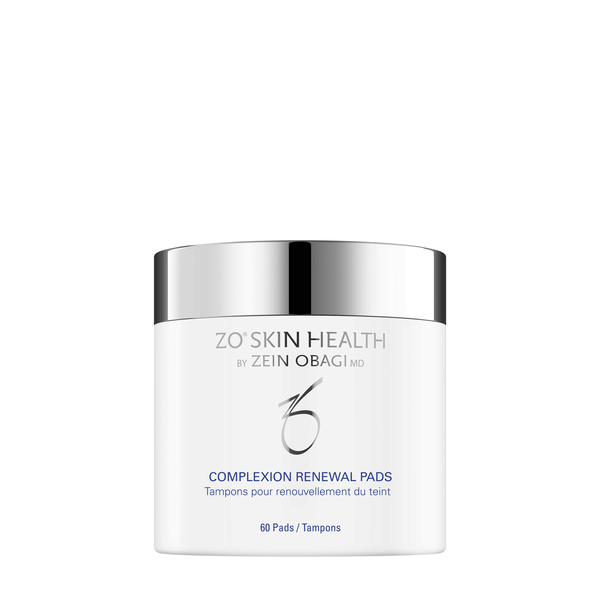
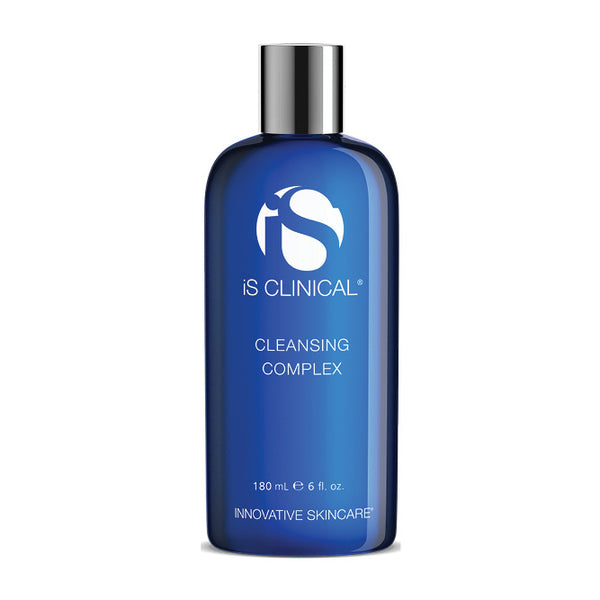
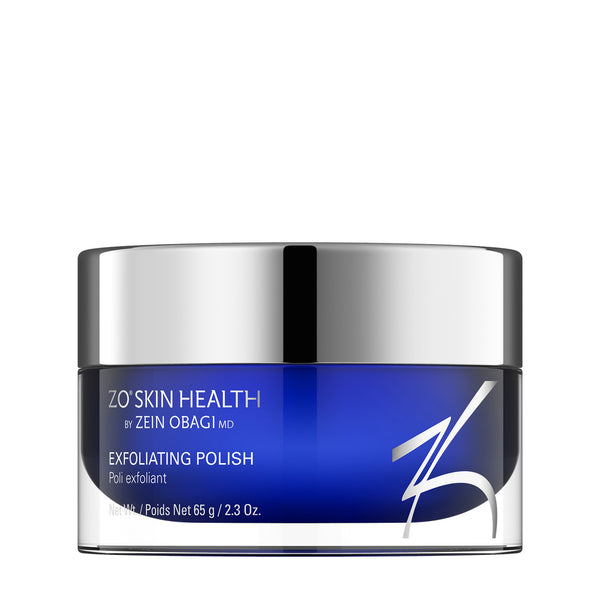
A quick refresher on medical-grade consistency: This is the approach you’ll hear from clinical brands such as Alastin, iS Clinical, Obagi, ProDerm, ZO Skin Health, SkinMedica, Vivier, SkinCeuticals, and Skinbetter Science. The premise is that visible, lasting change (think: improved tone, firmness, pigmentation, and fine lines) comes from sustained, daily use of well-formulated actives. Not occasional, not rotated, but daily. And yes, with proper acclimation, the skin can absolutely tolerate it.
So which one is right? Here’s how we approach it at Boutique Skin Envie.
Active rotation: what it’s actually doing. Rotation isn’t inherently superior or inferior to daily use; it’s a strategy for managing tolerance. When you alternate exfoliants and retinols, you reduce cumulative irritation while still delivering the active ingredients that drive results. For sensitive skin, beginners, or anyone whose barrier is in repair mode, this is genuinely smart science.
But here’s the catch: rotation can also cap your results. If you’ve been using a 0.25% retinol three times a week for two years and your skin has long since adapted, you may be leaving real progress on the table. Your fibroblasts have acclimated, and your tolerance has built. The framework that protected you in month one might be holding you back in year two.
When cycling helps (and helps a lot).
-
You’re new to actives. If retinol, AHAs, or BHAs are new territory, cycling is an excellent on-ramp. It builds tolerance without triggering the irritation that scares people away from actives altogether.
-
Your barrier is compromised. Post-procedure recovery, post-illness skin, eczema-prone skin, and rosacea flares all benefit from the structured rest days built into cycling.
-
Your skin reacts. If you flush easily, sting with vitamin C, or break out from over-exfoliation, cycling lets you keep actives in your routine without paying an inflammation tax.
-
Seasonal transitions. Many clients cycle more aggressively in summer (when sun exposure intensifies active sensitivity) and shift toward consistency in the cooler months. Your routine isn’t static, and neither is your skin.
-
You’re using multiple potent actives. Stacking a high-percentage retinol with a strong acid exfoliant nightly is rarely a good idea. Cycling gives each active a clear lane.
When cycling becomes unnecessary (and may even slow you down).
-
You’ve fully acclimated to your retinol. If you’ve been using the same retinol consistently for 6+ months without irritation, stinging, or peeling, your skin has built tolerance. Continuing to “rest” it on multiple nights per week may be diluting your results.
-
You’re working toward addressing a clinical concern. Melasma, deep hyperpigmentation, advanced photoaging, or significant texture concerns often respond best to sustained, daily use of medical-grade formulations under professional guidance. This is where clinical and professional brands shine. Their entire system is built on the premise of daily, layered, complementary actives.
-
You have a comprehensive routine designed by a professional. When your morning antioxidant, evening retinol, and barrier support are chosen to work together, they’re engineered for daily use. Rotating them out disrupts the system they were designed to support and target.
-
Your skin is healthy and stable. A well-acclimated, balanced complexion doesn’t need built-in rest nights. It needs consistent input to keep doing what it already does well.
The middle path is where most of our clients actually live. Real-life routines rarely fit a perfect TikTok template. Most of our clients land somewhere in the middle: daily on certain actives (a stable vitamin C antioxidant in the morning, for example) and rotational on others (a stronger retinol two or three nights a week, with recovery support in between).
This is why we never take a one-size-fits-all approach. We recommend a system tailored to your skin, concerns, tolerance, and lifestyle. Some weeks, that looks like cycling; some seasons, it looks like full clinical consistency; and most of the time, it looks like a thoughtful blend of both.
The BSE take: how to know where you are. Here are the questions we guide clients through during a consultation:
-
How long have you been using your current retinol? If less than three months, lean towards cycling. If you've gone more than six months without irritation, you’re likely ready for consistency.
-
What concerns are you actively treating? Maintenance and prevention can absolutely be part of a cycling framework. Active correction (deep pigmentation, acne, advanced aging) usually requires consistency.
-
How does your skin feel at the end of a typical week? Tight, flushed, peeling, or stinging means it's time to rotate more. Comfortable, calm, and even-toned means you can probably push further, if needed.
-
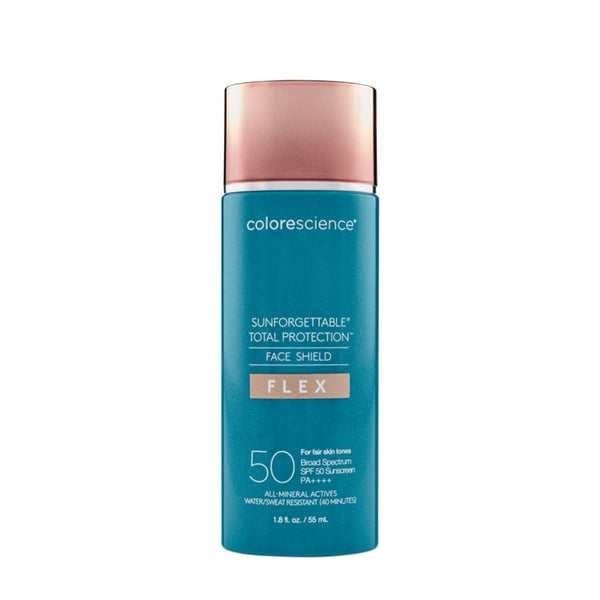
Are you protecting consistently? Daily SPF (think Colorescience Sunforgettable Face Shield Flex SPF50, SkinCeuticals Clear Daily Soothing UV Defense SPF50, or TiZO2 Facial Primer Sunscreen SPF40) isn’t optional, no matter which framework you choose.
-
When was your last professional skin assessment? Skin changes. So should your routine. A check-in every six to twelve months ensures you’re using the right tools for where your skin is now, not where it was when you started.
On the trend cycle itself, it’s worth saying: not every skincare framework is built to last forever. The best routines evolve. If skin cycling helped you build the consistency, confidence, and tolerance to use actives effectively, it did its job beautifully, and you may be ready to graduate. If you’re still finding your footing, stay where you are. Both are valid, and neither is wrong.
What we want to move away from is the all-or-nothing thinking that social media tends to invite. You don’t have to pick a tribe, and you don’t have to defend cycling over consistency, or vice versa. You just have to pay attention to your skin, work with an expert who knows what they’re looking at, and adjust accordingly.
That’s what professional skincare has always been about, long before TikTok introduced a new vocabulary.
If you’re not sure where you land, we’re always here to help. Book a virtual consultation, and we’ll review your current routine, your goals, and whether your skin is ready for its next chapter together.
Until next time,
Beate




Leave a comment
This site is protected by hCaptcha and the hCaptcha Privacy Policy and Terms of Service apply.