


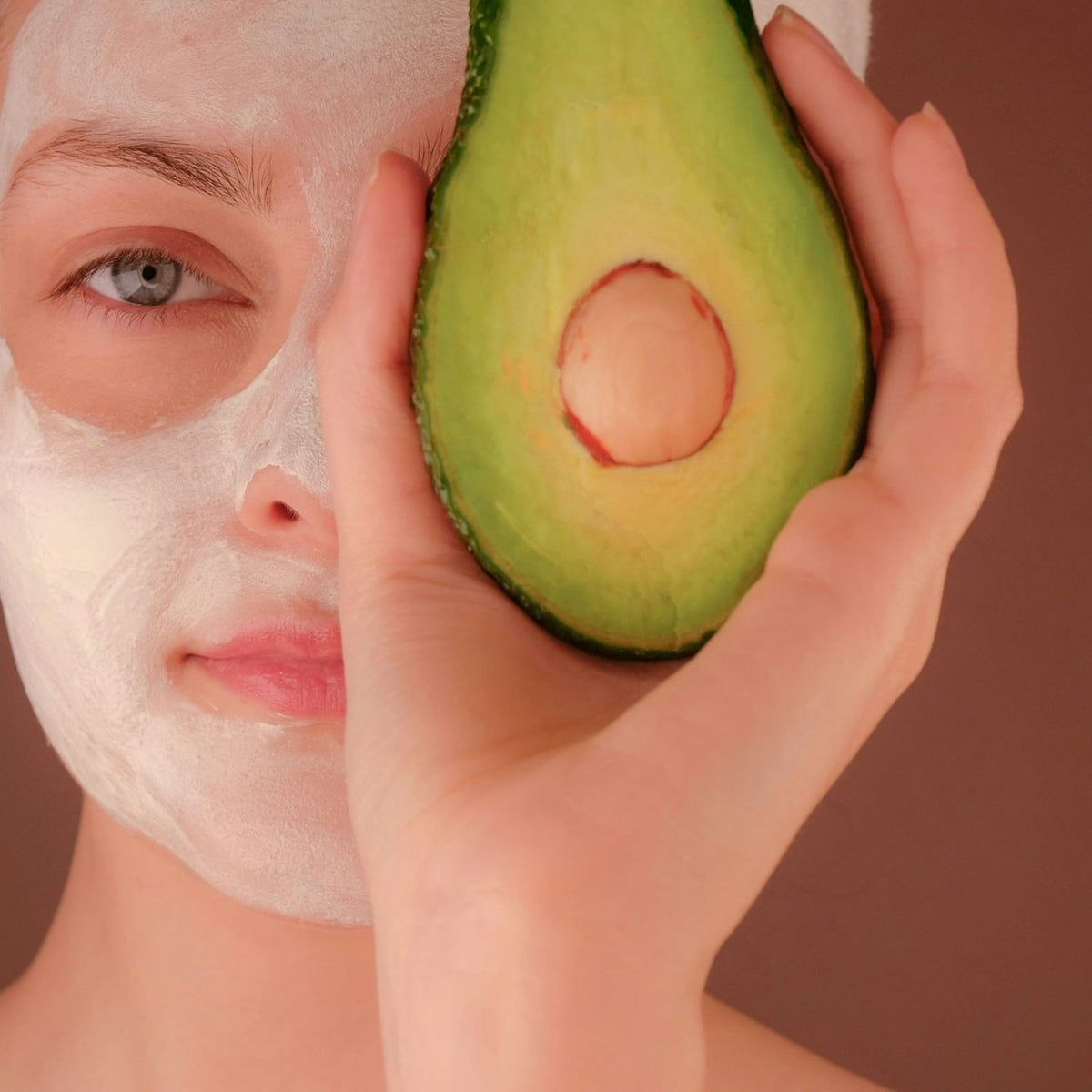
The GUT/Skin Connection
Have you ever stopped to think that the condition of your skin may have more to do with what is happening inside your gut than with the products you are putting on your face? We tend to look at the skin as something separate from the rest of the body, but I have always believed that we need to look deeper when it comes to understanding skin health.
As someone who has been working in health and wellness for over 30 years, gut health has always been one of my biggest areas of interest. When I first started studying naturopathy, I quickly realized just how much our digestive system influences our overall health. And the skin is no exception.
Our skin is our largest organ, and it is constantly communicating with the rest of the body. It reflects what is happening internally, including digestion, inflammation, immune function and even hormonal balance. This is why I often say that healthy skin starts from within. You can invest in the best creams, cleansers and serums, but if your gut is struggling, you may be missing an important piece of the puzzle.
Let's take a closer look at the gut/skin connection and what we can do to support healthier skin from the inside out.
How the Gut Affects the Skin
The gut and the skin may seem like two completely different systems, but they are actually closely connected through what researchers call the gut-skin axis.
Think of your gut as much more than a digestive tube responsible for breaking down food. It is home to trillions of microorganisms that help digest food, produce beneficial compounds, support the immune system and maintain the intestinal barrier.
When the gut is functioning well, it helps regulate inflammation, supports nutrient absorption and contributes to a healthy immune response. All of these processes play a role in maintaining healthy skin.
But when the gut microbiome becomes imbalanced, or when the intestinal barrier is not functioning as it should, it may contribute to increased inflammation throughout the body. This can influence the skin and may be associated with conditions such as acne, eczema, rosacea and psoriasis.
This doesn't mean that every skin problem begins in the gut. Genetics, hormones, stress, environmental factors and skincare habits all play a role. However, the gut is an important piece of the picture that is often overlooked.
I like to look at the body as a whole. Rather than simply trying to cover up a skin concern, why not ask what might be happening underneath?
Define the Microbiome
Before we go any further, let's talk about the microbiome because it is at the centre of this conversation.
Your microbiome is the community of microorganisms that live in and on your body. This includes bacteria, fungi, viruses and other tiny organisms. You have a microbiome in your gut, but also on your skin, in your mouth and in other areas of the body.
When we talk about gut health, we are particularly interested in the trillions of microorganisms living in the digestive tract.
These organisms are not just sitting there doing nothing. They have very important jobs. They help break down certain foods, produce short-chain fatty acids, support the intestinal lining, communicate with the immune system and help keep potentially harmful microorganisms under control.
One of the most important things to understand is that a healthy microbiome is not necessarily about having more bacteria. It is about having a diverse and balanced community of microorganisms that can perform their different functions.
And this is where food becomes so important.
The bacteria in your gut need to be fed. They thrive on a variety of plant foods, especially those containing different types of fibre and polyphenols. The more variety we bring into our diet, the more opportunities we give different beneficial bacteria to flourish.
I often remind people that we are not simply what we eat. We are also what we digest and absorb. If our digestive system isn't functioning properly, we may not be getting all the nutrients our bodies need to support healthy skin.
Define How Skin Issues May Start in the Gut
So how exactly can an imbalance in the gut show up on your skin?
There are several possible pathways.
1. An imbalance in gut bacteria
When the balance of microorganisms in the gut changes, a condition sometimes called dysbiosis, it can affect how the immune system responds and how the body regulates inflammation. Researchers have found associations between gut microbiome changes and several inflammatory skin conditions, including acne, eczema and psoriasis.
2. The intestinal barrier
The lining of your digestive tract acts as a protective barrier. It allows nutrients to be absorbed while helping keep unwanted substances from crossing into the body.
When this barrier becomes compromised, immune activity and inflammation may increase. This is an area of active research, particularly in relation to inflammatory skin conditions.
3. Poor digestion and nutrient absorption
Your skin needs a steady supply of nutrients to repair itself, maintain its protective barrier and support collagen production.
Think about nutrients such as zinc, vitamin A, vitamin C, vitamin D, essential fatty acids and protein. If digestion and absorption are not working properly, nutritional deficiencies can develop and potentially affect skin health.
4. The gut and immune system
A large portion of our immune system is associated with the digestive tract. The gut microbiome helps educate and regulate immune responses. When that relationship is disrupted, it may contribute to inflammatory processes that can affect the skin.
5. Stress and the gut-skin connection
We cannot talk about digestion without talking about stress.
When we are constantly operating in a stressed state, our nervous system can influence digestive movement, gut secretions and the gut microbiome. Stress can also directly affect the skin through hormonal and inflammatory pathways.
This is why I always encourage people to look at sleep, stress management, movement and digestion together. They are not separate conversations.
The takeaway? If you are dealing with recurring skin concerns, it may be worth looking beyond your skincare routine and paying attention to what is happening in your digestive system.
Food That Affects the Gut/Skin and What to Change
Now we get to one of my favourite subjects: FOOD!
What we eat every day has a direct influence on the microorganisms living in our gut. And if we want to support a healthier gut environment, we need to start by feeding it properly.
I am a big believer in going back to real food. The less processed, the better. Our bodies recognize and use nutrients from whole foods in ways that are difficult to replicate with highly processed products.
Here are some areas I would pay attention to.
Reduce highly processed foods and added sugars.
A diet high in ultra-processed foods and added sugars can contribute to poor overall metabolic health and may influence inflammation. For some people, diets with a high glycemic load may also aggravate acne.
This doesn't mean you need to eliminate every carbohydrate or never enjoy something sweet. It means being more conscious of how much processed food and added sugar you are consuming on a regular basis.
Pay attention to dairy if you struggle with acne.
Dairy is an interesting one because research has found an association between certain dairy products, particularly milk, and acne in some populations. However, not everyone reacts the same way, and the evidence does not prove that dairy causes acne in everyone.
If you suspect dairy is contributing to your breakouts, you could discuss a temporary, structured elimination with a healthcare professional and observe whether there is a difference. Make sure you replace the nutrients you would otherwise get from dairy.
Eat more fibre.
This is a big one!
Fibre feeds beneficial gut bacteria and helps support regular bowel movements. When bacteria ferment certain types of fibre, they produce short-chain fatty acids such as butyrate, which help nourish the cells lining the colon and support gut barrier function.
Include a variety of vegetables, fruits, legumes, nuts and whole grains if tolerated.
And don't just eat the same three vegetables every day. Variety matters because different plants provide different fibres and polyphenols.
Bring in more colourful plant foods.
Think berries, apples, pomegranates, leafy greens, broccoli, carrots, beets and colourful vegetables.
These foods provide antioxidants and polyphenols that support overall health and help feed a diverse gut microbiome.
I love the idea of eating the rainbow, not because it looks pretty on your plate, but because different colours offer different beneficial plant compounds.
Include healthy fats and quality protein.
Your skin needs essential fatty acids and adequate protein to maintain its structure and repair itself.
Include foods such as olive oil, avocado, walnuts, fatty fish and quality protein sources. Omega-3 fatty acids, in particular, have been studied for their role in regulating inflammatory processes.
Don't forget hydration.
Water supports normal digestion, circulation and many other functions in the body. It also helps prevent dehydration, which can affect how the skin looks and feels.
My advice is to start with the basics. More whole foods, more plant diversity, enough fibre, quality protein, healthy fats and fewer highly processed foods. You don't need an elaborate diet to start making a difference.
Probiotics and What the Evidence Supports
Probiotics are live microorganisms that, when taken in adequate amounts, can provide a health benefit. They are often referred to as beneficial bacteria, and they can be found in certain fermented foods and supplements.
What makes them interesting in the gut/skin conversation is that researchers are studying how certain probiotic strains may influence inflammation, immune function and the gut barrier, potentially benefiting the skin.
There is growing research looking at probiotics and conditions such as acne, eczema and rosacea. Some clinical trials have reported improvements in skin symptoms, but the results are not consistent enough to say that probiotics are a proven treatment for all skin conditions.
One important detail: not all probiotics are the same.
Different strains have different properties and effects. Simply buying a probiotic with the highest number of billions does not necessarily mean it is the best choice.
Some studies have investigated specific Lactobacillus and Bifidobacterium strains for their potential effects on skin health, particularly eczema and acne. However, the research is still developing, and we need larger, better-designed studies to understand which strains may help, at what doses and for whom.
I also like to remind people that taking a probiotic supplement is only one part of the equation.
You need to feed the bacteria already living in your gut. This is where prebiotic foods come in. Prebiotics are substances, often certain types of fibre, that beneficial microorganisms can use as food.
Foods such as onions, garlic, asparagus, oats, legumes, slightly green bananas and other fibre-rich plant foods can help support a healthy microbiome.
And don't overlook fermented foods such as sauerkraut, kefir and plain yogurt if you tolerate them. They can introduce live microorganisms into the diet, although their effects depend on the food and the microorganisms present.
My approach? Build a healthy food foundation first. Then, if needed, consider a targeted probiotic based on the individual's digestive health, symptoms and goals rather than simply taking whatever is popular.
What Skincare While You Work From the Inside
Of course, while we are working on the gut, we shouldn't forget that the skin needs attention on the outside too.
The goal is to support the skin barrier, protect it from environmental damage and avoid irritating it with too many products.
Sometimes we get caught up in using five different serums, exfoliants and treatments when what our skin really needs is a little consistency and simplicity.
Here are a few things I would focus on:
1. Keep your skincare routine simple.
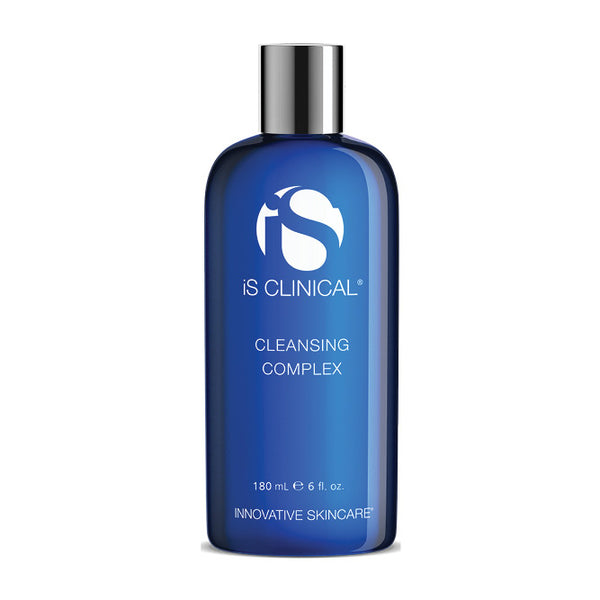
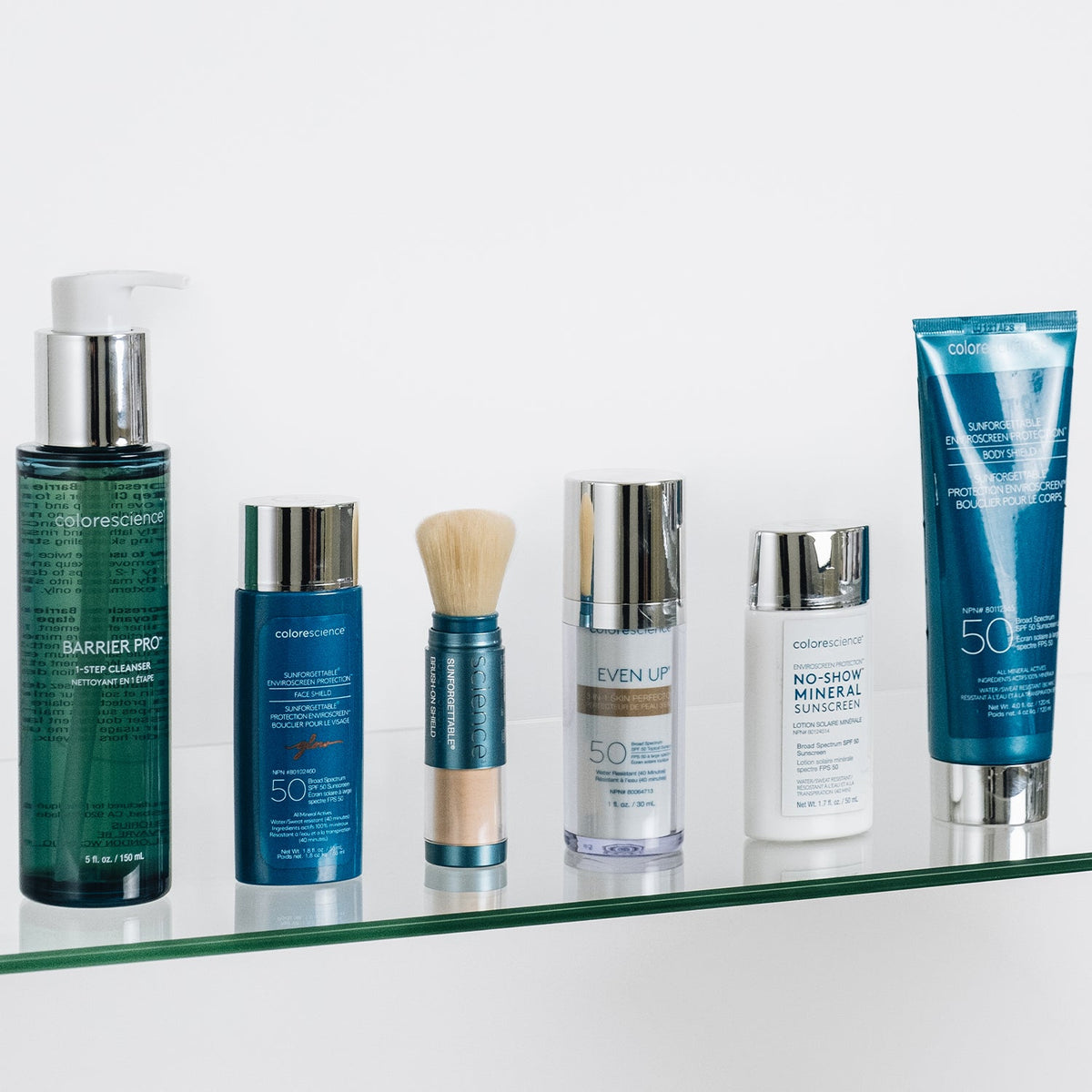
Use a gentle cleanser that removes dirt, excess oil and makeup without stripping the skin. Follow with a moisturizer that helps maintain the skin barrier.
You don't need an overwhelming number of products to have a good routine.
2. Moisturize and protect the skin barrier.
Look for ingredients such as ceramides, glycerin and hyaluronic acid. These can help support hydration and the skin's protective barrier.
If your skin is already irritated, avoid introducing too many new products at once.
3. Don't skip sunscreen.
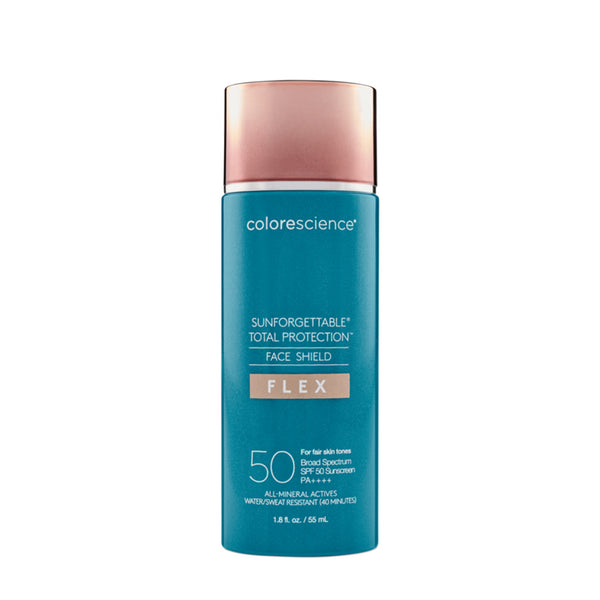
Daily broad-spectrum SPF 30 or higher helps protect against UV damage, premature skin ageing and inflammation associated with sun exposure.
This is one of the most important steps in maintaining healthy skin over time.
4. Be careful with over-exfoliating.
Too much exfoliation, harsh cleansers and aggressive treatments can damage the skin barrier and make irritation worse. If you are dealing with acne, eczema or rosacea, choose products suited to your particular condition and seek professional guidance when needed.
5. Give your skin time.
Skin doesn't change overnight. Whether you are improving your diet, supporting digestion or introducing a new skincare routine, consistency matters.
And remember, if you have persistent acne, eczema, rosacea or another skin condition, a dermatologist or healthcare professional can help identify the right treatment. Supporting gut health can be part of the bigger picture, but it should not replace appropriate skin treatment.
Bringing It All Together
I want you to take away one important message from this article: healthy skin is not just about what you put on it. It is also about what is happening inside your body.
Your gut microbiome, digestion, nutrient absorption, immune system, hormones and stress levels all contribute to the environment in which your skin functions.
This is why I always encourage people to look at the bigger picture rather than simply chasing the newest skincare product or trying one treatment after another.
Start by looking at your food. Are you eating enough fibre? Are you getting a variety of colourful plant foods? Are you relying too heavily on processed foods and sugar? Is your digestion regular? Are you sleeping well and managing stress?
These are the foundations that deserve our attention., I believe that wellness is about understanding the WHY behind what we do. When you understand how your gut communicates with the rest of your body, you begin to appreciate why taking care of your digestive health can have benefits far beyond digestion.
So the next time you look in the mirror and wonder what your skin is trying to tell you, remember to look a little deeper.
Frances Michaelson
Simple Rituals for Everyday Well-Being
Exploring the gut-skin connection is an opportunity to reflect on the small habits that shape your daily routine. Discover our Herbal Teas collection to find a blend to enjoy during a quiet pause. If you’re considering nutritional support alongside a varied diet, browse our Skin Supplements collection to compare formulas and ingredients, with guidance from a healthcare professional. Let your individual needs guide these choices, while keeping nourishing meals, hydration, restful sleep and consistent skincare at the heart of your approach.




Leave a comment
This site is protected by hCaptcha and the hCaptcha Privacy Policy and Terms of Service apply.