




The Lymphatic System: Our Sewage System… Keep It Moving and Clean!
For some reason, we rarely talk about the lymphatic system. Most people know about the heart, the lungs, and even the digestive system, but ask someone about their lymph and you are often met with a blank stare.
Yet this silent network may be one of the most important systems in the body.
I like to explain it this way: if the blood is the kitchen, then the lymphatic system is the sewage system.
Why?
Our cells bathe in two fluids: blood and lymph. The blood delivers oxygen and nutrients to our cells, feeding and nourishing them. The lymph, on the other hand, is responsible for collecting and eliminating waste products, toxins, dead cells, and debris that the blood leaves behind.
In simple terms, blood brings food in. Lymph takes garbage out.
The problem is that unlike the blood, which is pumped by the heart, the lymphatic system has no pump of its own.
That means the lymph only moves when you move.
Every time you walk, stretch, breathe deeply, or contract your muscles, you help push lymph through its vessels. This is one of the many reasons why movement is medicine.
The more we move, the more efficiently the body can eliminate waste.
The less we move, the more stagnation occurs.
Did you know that the average adult has roughly three times more lymph than blood? This makes perfect sense when you think about it. The body must eliminate far more than it takes in.
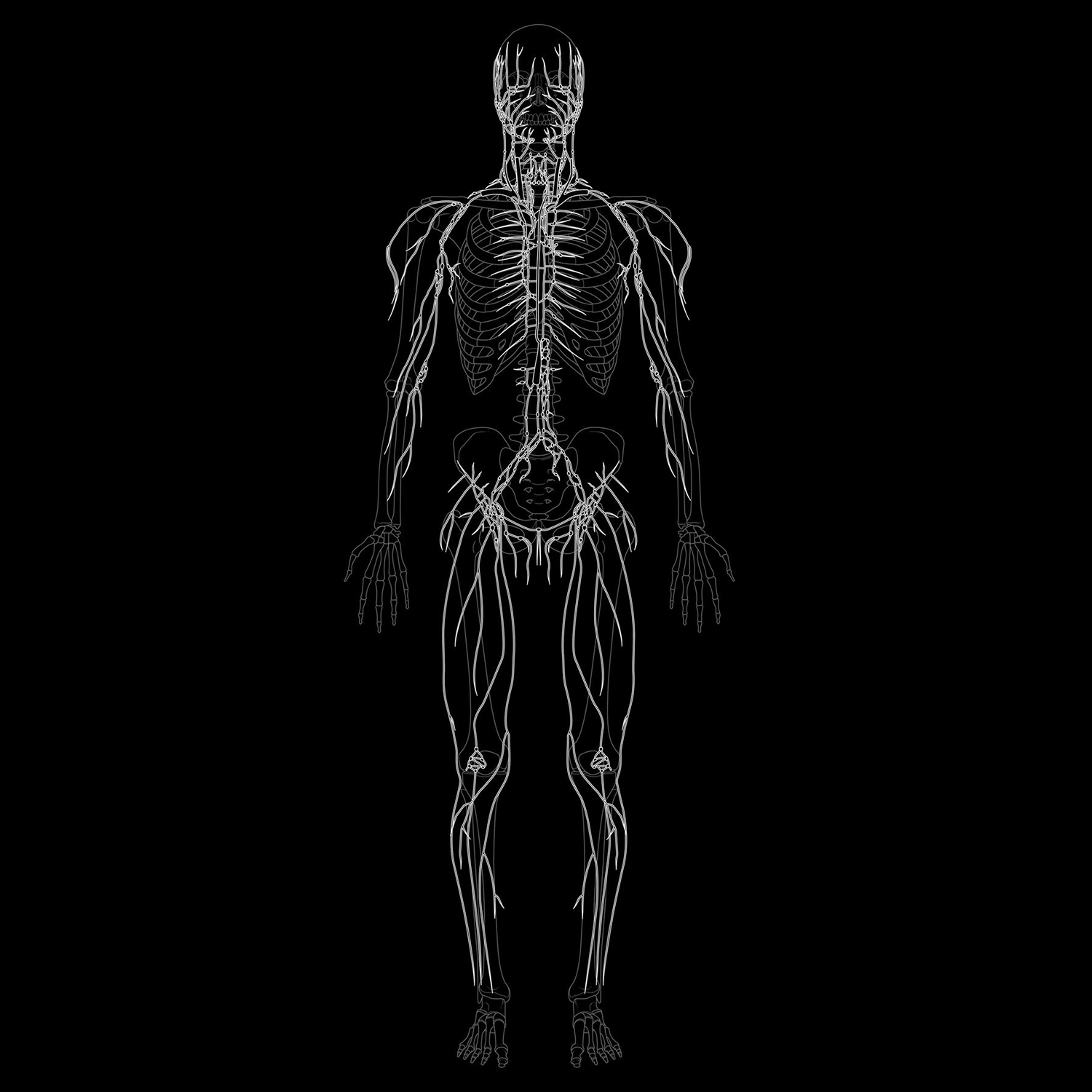
The lymphatic system extends throughout the entire body and plays a major role in immunity. In fact, it is one of our first lines of defence against infection and disease.
Lymphatic tissues and organs include:
-
The tonsils
-
The appendix
-
The spleen
-
The thymus
-
Breast tissue
-
Lymph nodes throughout the body
I often refer to lymph nodes as tiny septic tanks. Their job is to filter and neutralize bacteria, viruses, toxins, and cellular waste.
The major clusters of lymph nodes are found in the neck, under the arms, in the chest, abdomen, and groin.
When the lymphatic system becomes overloaded, these nodes can swell.
Signs of a Sluggish Lymphatic System
What does an overloaded lymph system look like?
You may experience:
-
Swollen glands
-
Water retention or edema
-
Puffiness in the face
-
Swollen hands or feet
-
Frequent infections
-
Chronic inflammation
-
Breast tenderness
-
Joint discomfort
-
Fatigue
-
Brain fog
-
Poor immunity
Many people are walking around with stagnant lymph and do not even realize it.
Why does this happen?
The lymphatic system can become sluggish due to:
-
Lack of movement
-
Poor diet
-
Chronic stress
-
Environmental toxins
-
Heavy metals
-
Food sensitivities
-
Hormonal imbalances
-
Chronic infections
-
Injuries or trauma
-
Poor elimination
-
Emotional stress such as anger, fear, or resentment
In my practice, I often see that when the elimination organs are weak, the lymph suffers.
Remember, the body eliminates through four major pathways:
-
Bowels
-
Kidneys
-
Lungs
-
Skin
If one of these exits becomes sluggish, the burden often falls on the lymphatic system.
This is why constipation, poor hydration, and lack of exercise can have such a profound effect on overall health.
Movement Is Maintenance
One of my favorite sayings is:
The lymph only moves when you move.
You do not need expensive equipment or intense workouts to stimulate lymph flow.
Simple strategies include:
-
Walking daily
-
Rebounding on a mini trampoline
-
Deep diaphragmatic breathing
-
Stretching
-
Strength training
-
Dry skin brushing
-
Twisting movements
-
Jumping and bouncing
-
Staying hydrated
Even something as simple as standing up and moving every hour can make a tremendous difference.
Keep the Terrain Clean
The lymphatic system is part of your body's waste management program. Just like a city sewage system, if waste accumulates faster than it can be removed, congestion develops.
This is why the terrain matters.
Eating foods that suit our species—fresh fruits, vegetables, sprouts, herbs, and seeds—helps create an internal environment that supports healthy elimination.
Hydration is also key. Water is one of the body's greatest cleansing tools.
When the lymph flows, the body thrives.
Energy improves. Immunity strengthens. Swelling decreases. The body becomes more efficient at removing waste and maintaining balance.
Frances Michaelson





Leave a comment
This site is protected by hCaptcha and the hCaptcha Privacy Policy and Terms of Service apply.