




What a Doula Really Does (That Most People Don’t Realize)
Trying to explain what a doula does is a bit like trying to explain why having someone steady beside you during a big life moment matters. You can list the tasks, sure—but the real value is in the feeling of not being left alone to figure everything out. Pregnancy, birth, and those early postpartum days are huge transitions, and a doula is simply someone who walks that whole stretch with you, with no judgment and no agenda.
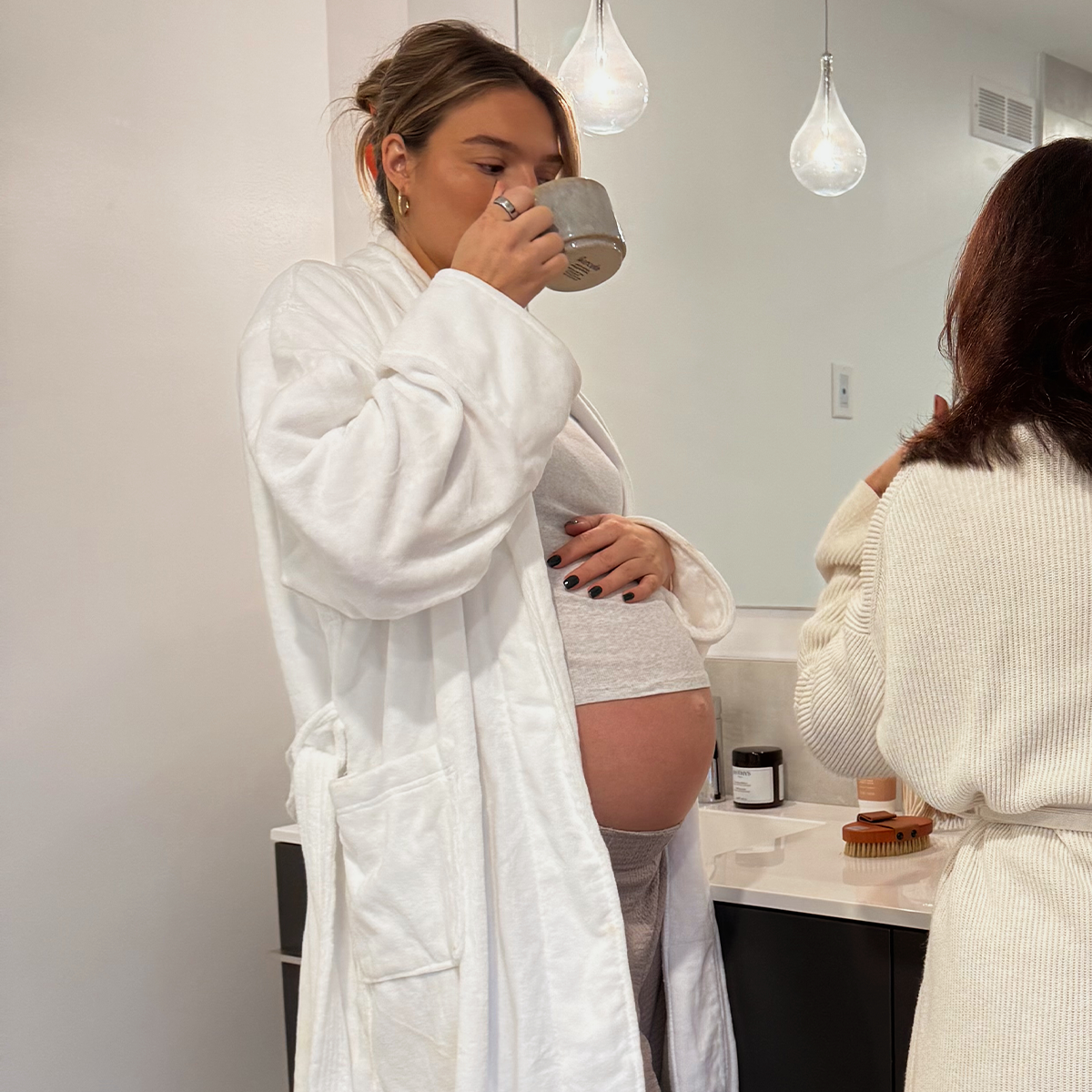
During pregnancy, most people are juggling excitement, uncertainty, and a steady stream of late-night Googling they wish they could unsee. A doula helps cut through the noise. We help you sort out what actually matters, talk through decisions, prep for appointments, and get clear on what feels supportive for you. It’s less about giving advice and more about helping you find your footing so you feel capable and grounded in your own choices.
Birth is where doulas are often misunderstood. It’s not about taking over or replacing anyone—not your partner, not your care provider. It’s about being the person who stays in the room, no matter how long the process takes. Someone who helps you cope, breathe, move, adjust, speak up, ask questions, or find your rhythm again when things feel intense. Someone who helps the partner feel confident and included so it doesn’t turn into a two-person overwhelm-fest. Someone who keeps the atmosphere calm and intentional while the medical team handles the clinical side.
And then there’s postpartum—the part almost everyone says they’re “ready for,” and almost no one actually is. It’s a big shift, even in the most loving, well-resourced homes. There’s exhaustion, constant feeding, new emotions, identity changes, the weird stretch of time where days melt into nights… it’s a lot. A doula steps in with practical help like laundry, meals, feeding support, and setting up your home so life feels a little less chaotic. Just as importantly, we’re there for the emotional stuff—the “is this normal?” moments, the days that feel heavy, the times when you need someone to remind you that you’re doing better than you think.
Partners get support too. They carry pressure in their own way—trying to show up, keep things running, and somehow learn how to support a postpartum person and a brand-new baby at the same time. A doula helps them feel steadier, more involved, and less like they’re fumbling around in the dark. The whole family benefits.
The research on doulas is great, but honestly, the heart of the work is pretty simple: families aren’t meant to navigate this transition alone. Having someone who knows the terrain—someone who can normalize, problem-solve, steady the room, and make things feel a little easier—changes the experience in a real way.
At the end of the day, doula care isn’t about doing things the “right” way. It’s about meeting you exactly where you are, supporting your preferences, respecting your instincts, and helping you feel held while you move through the biggest transformation of your life.
_____________________________________________________________________
HI! I’m Alix, the founder of TENDER.LY, where I provide compassionate, judgment-free support to growing families. With a background in postpartum care, infant feeding, and mental health first aid, I specialize in supporting neurodivergent parents as they navigate pregnancy, birth, and the early years of parenthood. My approach is all about meeting families where they are, offering ADHD-friendly strategies, and helping parents feel more confident and supported in their journey.
Looking for personalized support? Let’s connect! Follow me @lovetender.ly_doula




Leave a comment
This site is protected by hCaptcha and the hCaptcha Privacy Policy and Terms of Service apply.