

Why Is Everyone Obsessing Over Protein?
Why is everyone adding protein powder to their coffee and cottage cheese to everything imaginable? And why has it suddenly become a flex to announcing that you’ve hit 150 grams of protein before noon? Is protein the new kale? It certainly seems so—but is the hype actually backed by science, or is this just another health trend that will eventually fade away?
Today, we're diving into what protein actually is, why everyone suddenly seems obsessed with it, and—most importantly for us skinthusiasts—whether eating more protein can actually improve your skin (because that’s why we’re all here am I right?).
Disclaimer: I'm not a physician, registered dietitian, or healthcare professional. Everything in this article is based on my own research, shared for educational purposes only, and should not be considered medical advice.
Now that we've got that out of the way, let's get into it. As usual, I did the research so you don't have to.
First Things First: What Are Macronutrients?
You'll often hear people talking about "tracking their macros."
Macros, short for macronutrients, are the three nutrients your body needs in the largest amounts:
- Protein – builds and repairs tissues while supporting countless functions throughout the body.
- Carbohydrates – your body's primary source of energy.
- Fats – essential for hormone production, brain health, vitamin absorption, and healthy cells.
So Why Is Everyone Suddenly Talking About Protein?
Unlike many wellness trends, this one actually has a fair amount of science behind it.
Protein plays a role in nearly every system in your body. It's made up of amino acids, often referred to as the building blocks of life because they're used to create muscles, enzymes, hormones, immune cells, skin, hair, nails, and countless other tissues.
Higher-protein diets have been associated with:
- Greater satiety (feeling fuller longer)
- Better preservation of muscle
- Improved recovery from exercise
- Healthy aging by helping maintain muscle mass over time
- Supporting normal tissue repair throughout the body
As research on healthy aging and metabolic health has grown, protein has naturally become a larger part of the conversation.
But Are We Actually Eating Enough?
The current Recommended Dietary Allowance (RDA) for healthy adults is 0.8 grams of protein per kilogram of body weight per day. This amount is designed to prevent deficiency—not necessarily optimize health or body composition.
Many researchers now suggest that physically active individuals, older adults, and people trying to maintain or build muscle may benefit from intakes closer to 1.2–2.0 grams per kilogram of body weight, depending on activity level and individual goals.
This doesn't mean you need to start drinking three protein shakes a day.
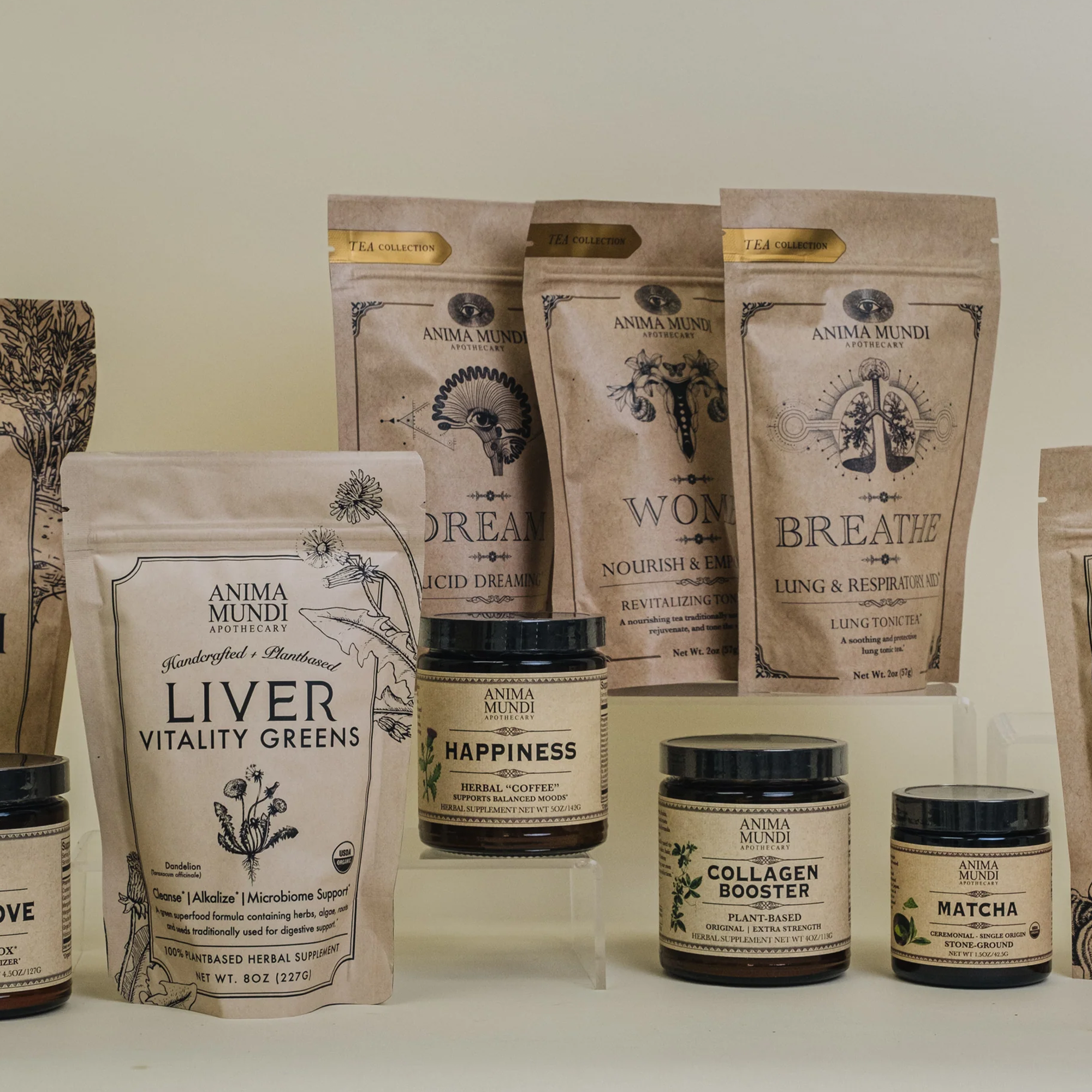
More isn't always better—in fact I tend to prioritize quality over quantity especially in this department. The market is totally oversaturated with products containing a ton of harmful additives, so this is an area where I prioritize natural whole food sources, as well as brands that prioritize clean ingredients lists such as Anima Mundi.
What Does Protein Have to Do With Skin?
Now let’s get to the good part.
Protein provides your body with the raw materials needed to maintain healthy skin.
Here's what the science actually says: your skin contains two major structural proteins:
- Collagen, which provides strength and firmness.
- Elastin, which gives skin its elasticity.
Your body continuously breaks down and rebuilds these proteins as part of normal maintenance and repair, and to do that efficiently, it needs an adequate supply of amino acids from dietary protein. Without enough protein, your body simply has fewer building blocks available for tissue repair.
Pro tip: During wound healing—including after invasive procedures like certain lasers or microneedling, and other elective cosmetic procedures—your body requires additional protein to build new tissue, produce collagen, and support immune function. So protein in these scenarios may actually contribute to recovery and support you in achieving great results.
Now that you know the research, let’s remember that healthy skin depends on far more than just protein.
Factors such as:
- Genetics
- Sun exposure
- Sleep
- Stress
- Overall nutrition
- Smoking status
- Hormonal changes
- Daily skincare habits
all have a significant impact on how your skin looks and ages. Protein is one important piece of a much bigger picture!
Protein deserves attention because it's genuinely essential for overall health, healthy aging, muscle maintenance, and tissue repair. For skin health specifically, adequate protein helps provide the amino acids your body needs to maintain and repair skin tissue—but it's not a miracle ingredient that replaces sunscreen, sleep, or a consistent skincare routine.
As with most things in wellness, balance usually wins!
Till next time—
Gabriella


Leave a comment
This site is protected by hCaptcha and the hCaptcha Privacy Policy and Terms of Service apply.