

Gentle Acids, Serious Glow
Not all acids are meant to be ultra strong, some are gentler, and there is a full spectrum on the market today—ranging from powerful AHA glycolic acid, through to its milder counterpart lactic acid. I love the idea of gentle acids and strongly believe they have a time and place for everyone. They sit in that middle space between doing nothing for your skin, and potentially doing too much. They exfoliate, they smooth, they help skin turnover… but they don’t push your skin too far.
For certain skins and certain situations, that’s exactly what works best. Let’s dive in.
What We Mean by Gentle Acids
It’s not a strict category, more of a way of describing exfoliating acids that tend to be better tolerated by most people. You may have heard of a few of them, like:
-
Mandelic acid
-
Lactic acid
-
PHAs (like gluconolactone)
-
Azelaic acid
They all work a bit differently, but the common theme is simple: they support skin renewal without overwhelming the barrier.
When Gentle Acids Make Sense
There are moments where gentler really is smarter.
During pregnancy
Skin can become more reactive and unpredictable. In that context, gentler acids often feel more comfortable and stable to use. *Always have any active ingredients—even if they’re gentle—cleared by your doctor during pregnancy.
When your barrier feels off
If your skin is easily irritated, tight, dry or flaking, or just not behaving like itself, strong exfoliation usually isn’t helpful. Gentle acids let you keep some level of exfoliation going without adding stress.
If you naturally have sensitive skin
Not everyone tolerates intensity well, and that’s not something to “push through.” Gentler acids tend to be more sustainable long-term.
If you have a big event coming up
This one gets overlooked. If you have an event coming up where you want your skin to be at its very best such as a wedding, you may want to consider shifting over to something milder in the weeks leading up to it to avoid that potential tightness or dryness that some people experience.
They Actually Work
Gentle acids still do the job—they help lift dead skin cells and support normal turnover so skin doesn’t look dull or congested. Over time—and as with everything, consistency is key—that usually translates into a more even and slightly less textured skin tone. Each with their own superpower, here are some of the common ones:
-
Mandelic acid: A slow-penetrating AHA that gently exfoliates while helping even out acne and pigmentation, making it ideal for sensitive, breakout-prone skin.
-
Lactic acid: A hydrating exfoliant that smooths dull texture and boosts glow while simultaneously supporting moisture levels in the skin.
-
PHAs (like gluconolactone): Ultra-gentle exfoliants that refine texture and brighten skin while strengthening the barrier and minimizing irritation.
-
Azelaic acid: A multi-tasking active that calms inflammation, targets acne, and fades pigmentation without disrupting the skin barrier.
There’s a tendency in skincare to assume that if something tingles when you apply it or makes you peel a little, it’s working better. But that’s not always the case, and often that can even be problematic.
Stronger acids can be great when there’s a specific need for them, but they’re not automatically the superior choice for every scenario. I personally love a glycolic acid for my hyperpigmentation, but there’s a season for everything, and I try to be strategic regarding my use of acids depending on my concern.
SPF is Non-negotiable
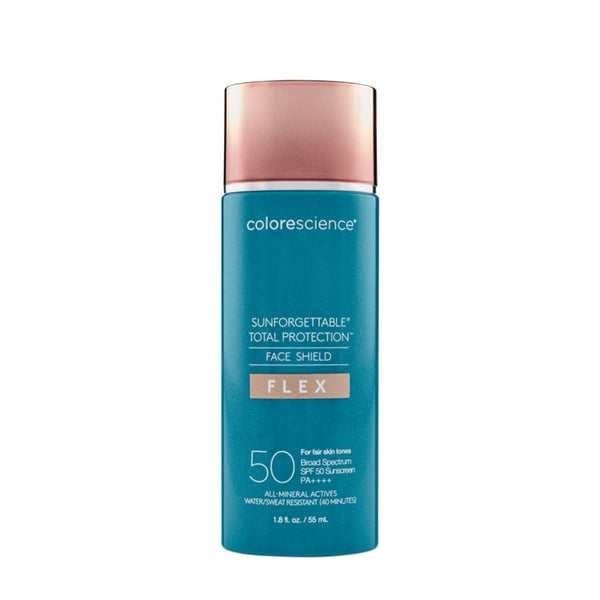
Anytime you exfoliate the skin—even gently—you’re working with fresher skin cells at the surface. And frankly, whether you're exfoliating or not, daily SPF matters. Not occasionally, not when it’s sunny, not just in summer. Every day.It’s what keeps the benefits of exfoliation visible and stable over time!
Happy glowing,
Gabriella


Leave a comment
This site is protected by hCaptcha and the hCaptcha Privacy Policy and Terms of Service apply.