

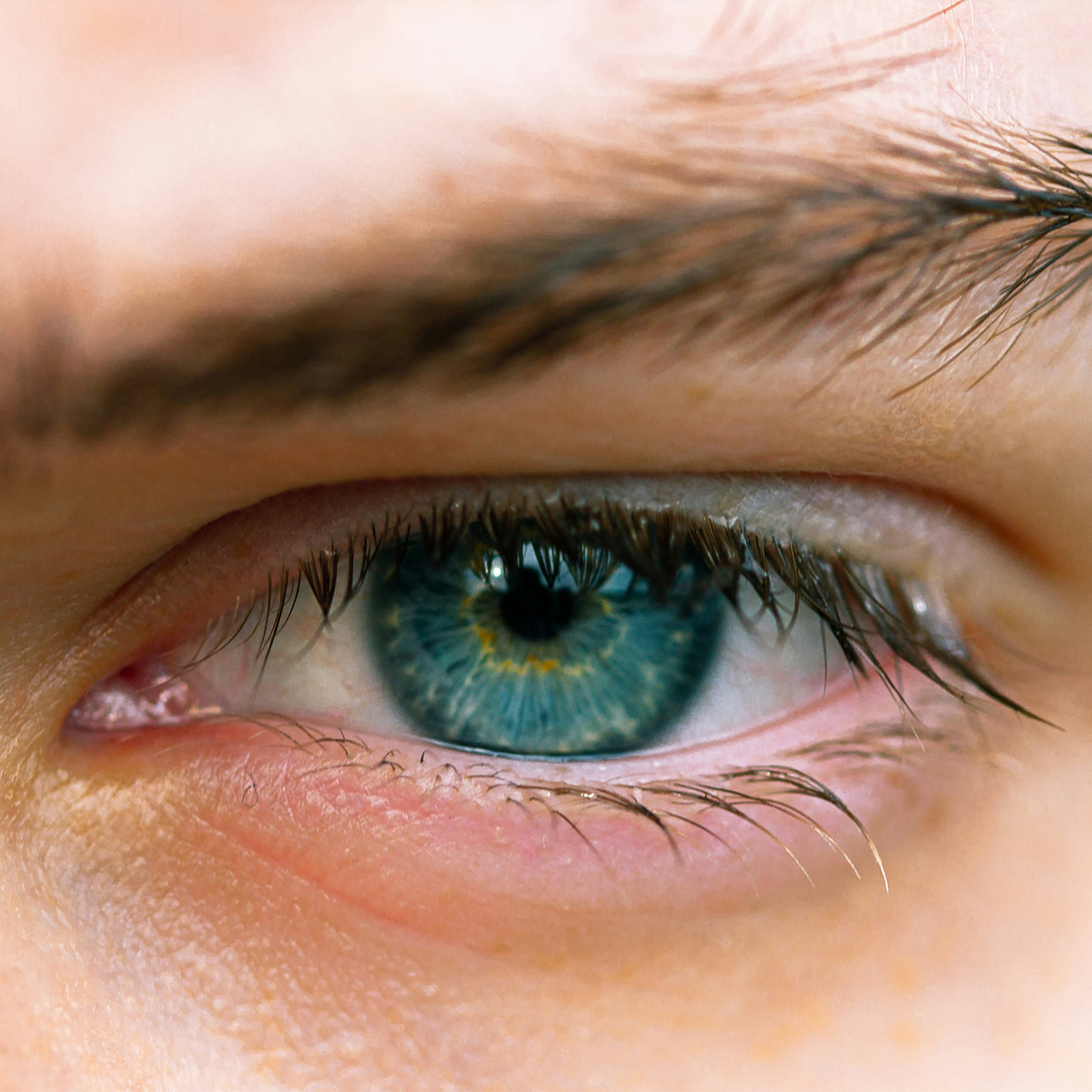
Ocular Rosacea: When Rosacea Affects the Eyes
Rosacea is something I see quite often in my practice. Most people are familiar with the redness, flushing and sensitivity that can appear on the face, particularly around the cheeks and nose. But there is another form that we don't talk about nearly as much: ocular rosacea, when rosacea involves the eyes and the delicate skin around them.
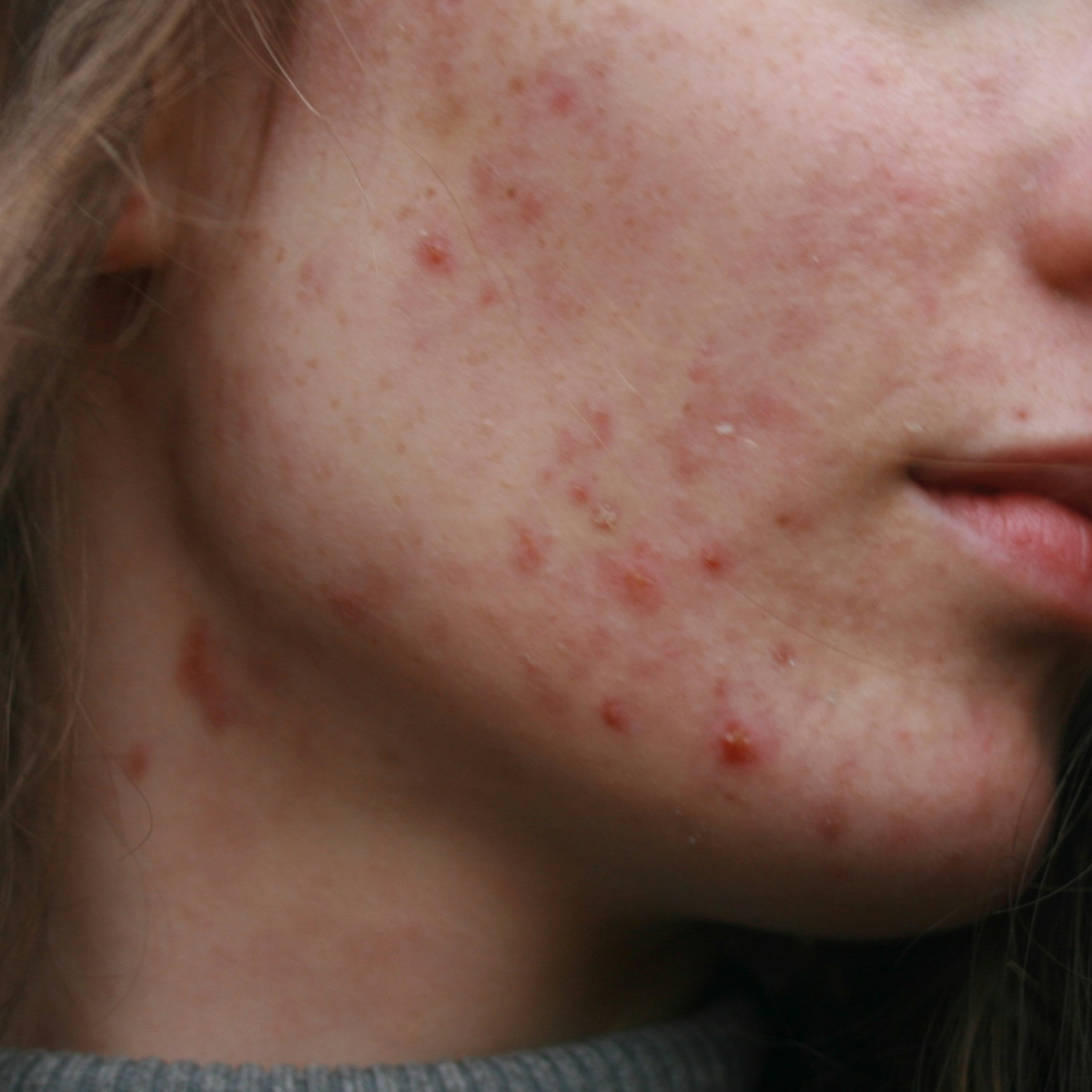
Regular rosacea primarily affects the skin. You may notice redness, flushing, small bumps, visible blood vessels or a burning and sensitive feeling on the face. Ocular rosacea is different because the eyes themselves can become involved. You may experience dry, gritty or irritated eyes, burning, redness, watery eyes, swollen eyelids, sensitivity to light or that uncomfortable feeling that there is something in your eye. Sometimes the eyelids can become inflamed as well.
This is one situation where I would not recommend trying to figure it out completely on your own. If you have symptoms around the eyes, it is important to have them properly assessed by an optometrist, ophthalmologist or another qualified healthcare professional. Ocular symptoms can have many causes, and some eye conditions require specific treatment. Your eyes are simply too important to take chances with.
From my perspective as a naturopath, I also look at the bigger picture. Why is the body becoming so reactive? What is happening with digestion? What are you eating regularly? How is your stress? Are you sleeping? Are you using products around your face that may be irritating your skin? There isn't one single cause of rosacea, and I don't believe there is one magic supplement or cleanse that fixes it either.
What I do believe is that supporting the body from the inside out can be an important part of a larger wellness plan.
And let's start with something very simple: your daily cleansing routine.
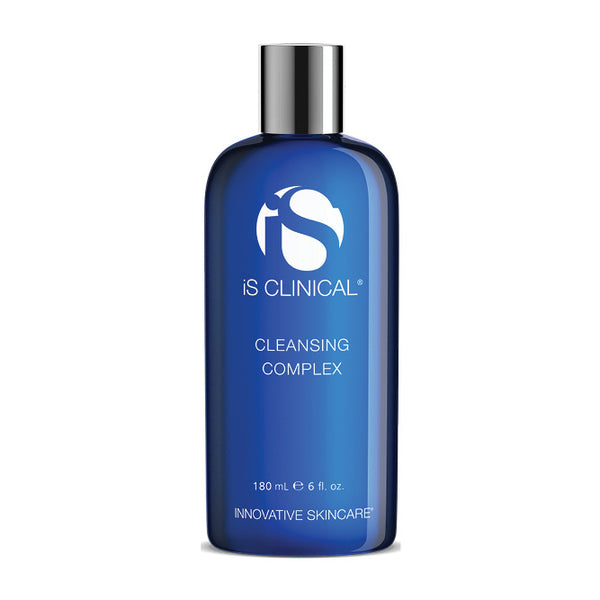
When you have ocular rosacea, less is often more. Around the eyes, I recommend being extremely gentle. Wash your hands before touching your eyes and use a gentle, fragrance-free cleanser. Avoid scrubbing, exfoliating or using harsh products around the eyelids. Don't use essential oils, strong acids or heavily fragranced creams close to the eyes. If your healthcare professional has recommended a specific eyelid cleanser or warm compress routine, follow their instructions.
Be careful with makeup as well. If your eyes are irritated, give them a break. Don't share eye makeup, don't use old products and always remove makeup gently at the end of the day. Clean your makeup brushes regularly and avoid rubbing your eyes.
And then we have the inside.
This is where my naturopathic approach comes in. I always come back to digestion because we are not what we eat, we are what we digest. If your digestive system isn't working well, if you're eating a highly processed diet, consuming excessive refined sugar or constantly exposing your body to foods that don't agree with you, I believe it is worth looking at the overall terrain rather than simply putting another cream on the face.
Think about your daily diet. Are you eating plenty of colourful vegetables and fruits? Are you getting enough healthy fats? Are you drinking enough water? Are you eating real, minimally processed foods? Are you getting enough sleep and managing your stress?
These things may sound simple, but they are the foundation of health.
I also encourage my clients to look at what they are putting on their bodies, not just what they are putting in them. Fragrances, harsh skincare products and unnecessary ingredients can be irritating, particularly when the skin barrier is already sensitive.
If you have facial rosacea, don't automatically assume that every eye symptom is simply part of it. Ocular rosacea deserves its own attention. Work with the appropriate eye-care professional to make sure the eyes are healthy and to determine whether treatment is needed. Then, if appropriate, you can look at nutrition, digestion, lifestyle and skincare as supportive pieces of the bigger picture.
Your body is always communicating with you. Redness, irritation, dryness and inflammation are signals worth paying attention to rather than simply covering them up.
Listen to what your body is saying, support it from the inside out, and get the right professional guidance when your eyes are involved.
Frances Michaelson
Skincare for Rosacea-Prone Skin
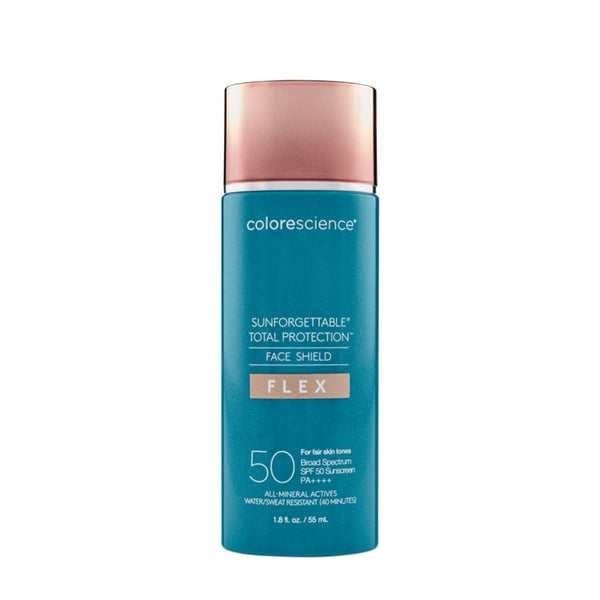
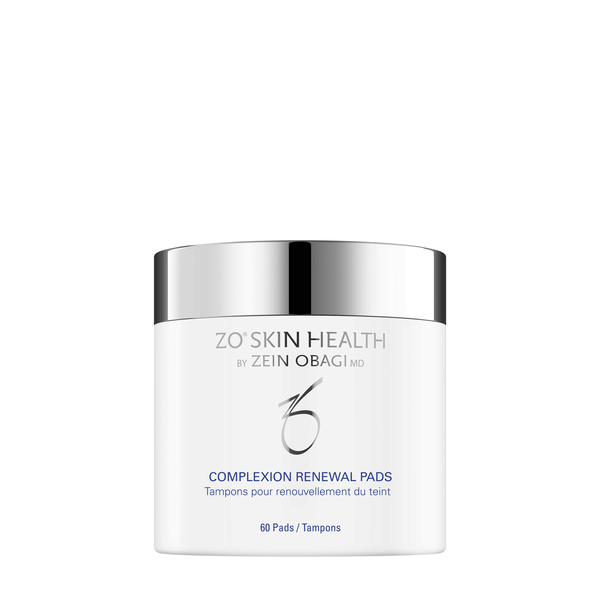
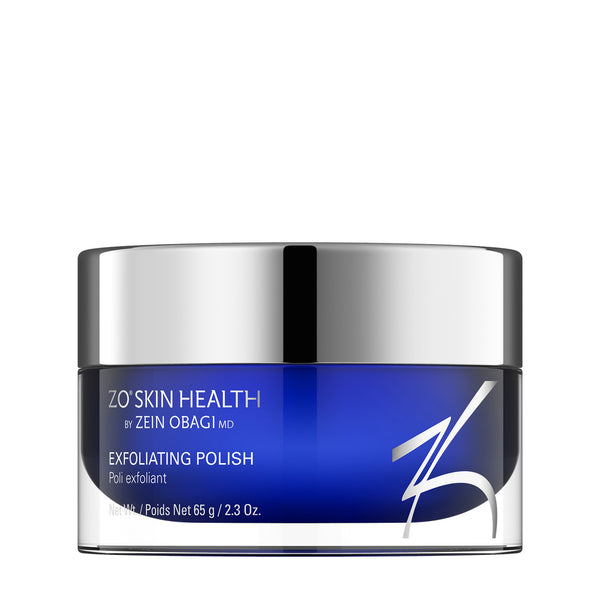
If you experience both facial rosacea and ocular rosacea, a gentle skincare routine can help minimize irritation and support sensitive skin.
Choose fragrance-free products suitable for sensitive skin, and avoid applying facial skincare products too close to your eyes.
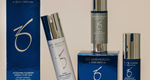
Explore our Redness & Rosacea collection for skincare designed for redness-prone and sensitive skin.


Leave a comment
This site is protected by hCaptcha and the hCaptcha Privacy Policy and Terms of Service apply.