




Parasites: Should We Fear Them or Understand Them?
Parasites have become one of the hottest topics in the health world. Social media is filled with stories of parasite cleanses, dramatic before-and-after photos, and claims that everyone is infected. While I do believe parasites deserve attention, I also believe there is a great deal of confusion surrounding this topic.
As a licensed naturopath, I prefer to take a more balanced approach.
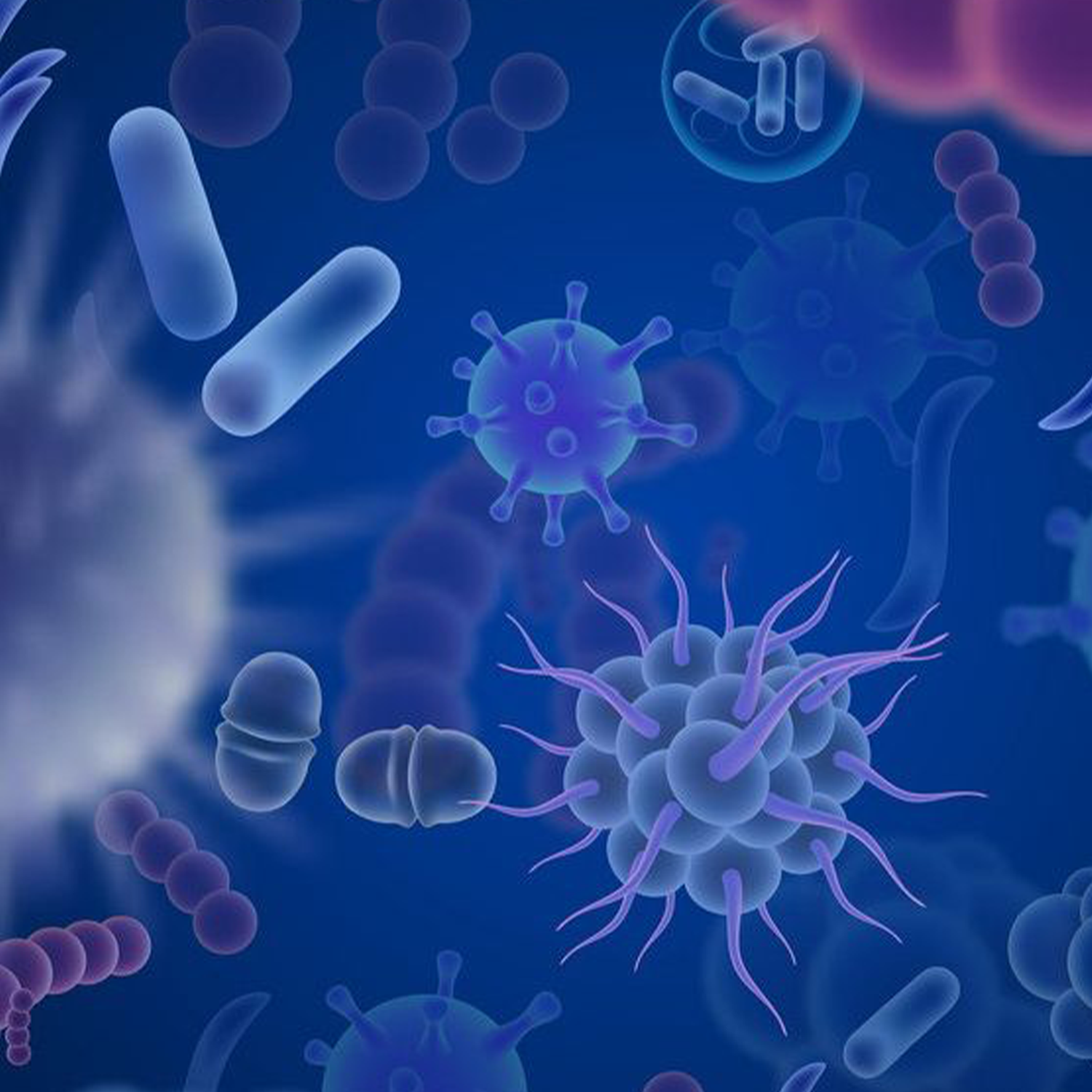
The first thing to understand is that our digestive system is home to trillions of microorganisms known as the gut microbiome. This community includes bacteria, fungi, viruses, and, in some people, parasites. The goal is not to live in a completely sterile environment. In fact, that would be impossible. The goal is to maintain a healthy balance where beneficial microorganisms keep the less desirable ones under control.
The real problem begins when that balance is lost.
Our gut is like a garden. If we nourish the soil and care for it properly, healthy plants flourish and weeds struggle to grow. But if we neglect the garden, the weeds quickly take over. The same thing happens in our digestive system. When we constantly feed our bodies processed foods, refined sugars, alcohol, poor-quality fats, and foods that are difficult for us to digest, we create an environment where undesirable microbes can thrive.
This is why I often tell my clients that parasites are usually a symptom of an unhealthy terrain rather than the entire problem.
A healthy digestive system has many natural defenses. Stomach acid helps destroy unwanted organisms before they reach the intestines. The liver produces bile, which supports fat digestion and also plays a role in maintaining a healthy intestinal environment. Beneficial bacteria compete with harmful organisms for space and nutrients, making it more difficult for them to multiply. Good digestion, proper elimination, and a diverse microbiome all work together to help maintain balance.
When digestion becomes weak, however, the terrain changes. Low stomach acid, sluggish bile flow, constipation, chronic stress, repeated antibiotic use, and a diet high in refined sugars and processed foods can all disrupt the microbiome. This doesn't necessarily mean parasites suddenly appear out of nowhere. Rather, conditions become more favorable for certain organisms to multiply beyond healthy levels.
The symptoms people experience can vary widely. Digestive discomfort, bloating, excessive gas, irregular bowel movements, food sensitivities, fatigue, itchy skin, poor concentration, and changes in appetite are just a few examples. These symptoms are not unique to parasites and can have many different causes, which is why self-diagnosing based on social media can be misleading.
This brings me to one of my biggest concerns. Many people purchase parasite cleanse kits online and begin taking powerful herbal combinations without any professional guidance. While herbs are one of my favourite ways to support the body, they are still powerful. Different herbs work differently, and not every person requires the same protocol. Timing, dosage, duration, and overall health all matter.
This is why I encourage people to work with a qualified naturopath or healthcare practitioner who can assess the bigger picture. Before reaching for herbs, we first need to ask why the terrain became unhealthy in the first place. Are you digesting your food properly? Is your liver producing healthy bile? Are you eliminating waste every day? Are you feeding your beneficial bacteria or constantly feeding the organisms you are trying to reduce?
A successful parasite protocol is never just about killing unwanted organisms. It is about changing the environment so they are less likely to thrive in the future. This means cleaning up the diet by removing refined sugars, highly processed foods, and excessive alcohol while focusing on whole, nutrient-dense foods that support the gut microbiome. Plenty of vegetables, herbs, quality protein, healthy fats, adequate hydration, and foods rich in prebiotic fiber help nourish the beneficial bacteria that protect us every day.
Remember, we are not what we eat—we are what we digest. A healthy gut is built on strong digestion, efficient elimination, and a balanced microbiome. Herbs certainly have their place, but they work best when they are combined with the right nutrition and lifestyle changes.
Rather than becoming fearful of parasites, I encourage you to think about creating an internal environment where your beneficial bacteria flourish and unwanted organisms struggle to survive. That is the true goal. Health is not about chasing the latest cleanse or trend. It is about restoring balance to the incredible ecosystem that exists inside every one of us.
Frances Michaelson






Leave a comment
This site is protected by hCaptcha and the hCaptcha Privacy Policy and Terms of Service apply.